


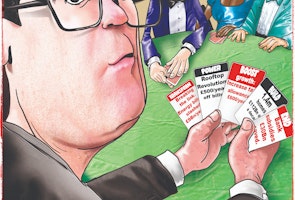
End £30bn bank benefits, tax wealth like work, break the gas price link, launch a rooftop solar revolution and build 1.4m homes. Peoplenomics in five steps.
UK Energy Bills: Three Reforms to Beat Casino Capitalism
UK energy bills are at the mercy of casino capitalism. Control wholesale prices, extend it to North Sea oil and gas and break the gas link – that's how we win.
In casino capitalism only energy firms hit the jackpot
Affordability, fairness and stability – it doesn't seem like a lot to ask from your gas or electricity bill. Yet here we are, still at the mercy of huge corporations and their "casino capitalism", with the odds stacked firmly against the ordinary consumer.
We cannot have the benefits of our naturally cheaper green energy, no matter how much of it we make, unless we reform our energy market.
And we are losing the argument for the green economy as the right wing successfully lands the false argument that green energy is responsible for high bills – it's a counterfactual nightmare, a little bit like Brexit.
The steps we need to take are bold but straightforward enough. We need to overturn some current orthodoxy and face down vested interests – and PM Andy Burnham could be the man for the job.
The changes we need to make are not changes to systems that have always been there, we're not going against fundamental laws of physics – just manmade constructs that we can remake to suit our times. And our purpose. Which is an energy market that works for Britain.
We need to take control of wholesale energy prices, extend that to North Sea oil and gas, and we need to "break the link". That's it.
Rollercoaster
Three steps to transform our energy market, to deliver the lowest energy bills that we can possibly have – and the most stable. It is also likely to bring significant economic growth, restored competitiveness to our businesses and our independence from the global rollercoaster of energy prices, driven as they are by casino capitalism. The prize is that big.
Price control is not some kind of leftie trick - the Tories introduced it to retail energy bills seven years ago - the self-styled "party of business" did this.
But retail price control alone is not enough, without control of wholesale costs we have no real control at all. That ought to be obvious.
The Tories did half the job and now we need to finish it.
Wholesale price control is not difficult to do, in practice or in principle. Almost half of Britain's electricity generators already operate under price control.
Extending price control to our North Sea makes sense in so many ways.
Giving fossil fuels the same support that we give to green energy (we can use the same mechanism) is a strong political message and very much of the moment. We can protect our North Sea industry, the jobs and investments already made, from global price shocks and the vulnerability of declining output, ensuring maximum use of the resource we have – and an orderly and fair transition.
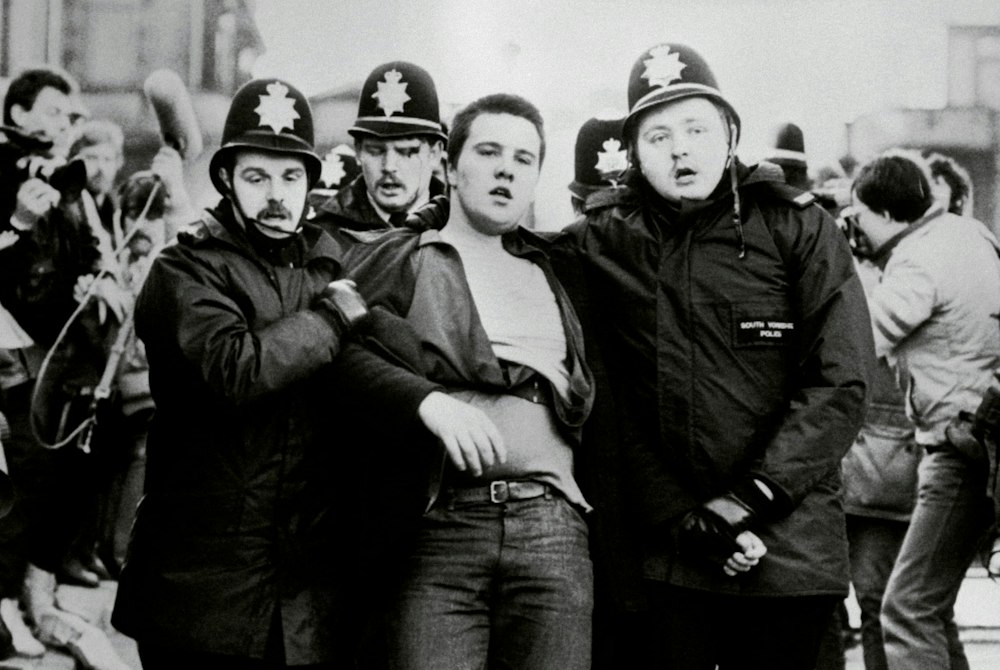
That's something that Britain's miners never got.
We can also do away with the need for a windfall tax because we will do away with the windfall profits, which are the flip side to sky-high energy bills.
This would change the arguments for new drilling, predicated as they currently are on the false claim that we can save money if we produce more oil and gas. While global markets set the price, we can't save a penny. However, with price control in place we can save money through new production, that already has a licence.
Price control of North Sea oil and gas could help resolve the current situation, and the pressure Labour is under to allow new production but stay committed to net zero and tackle the cost-of-living crisis. It would be a pragmatic approach, offering something to all sides. We can shut this contentious issue down and move on.
We still need to break the link, by changing the dysfunctional auction process that pays all generators the same price as the most expensive one – typically gas. We should pay generators what they need, not what the most expensive of them asks for. Price control will do that, that's how it works – costs plus a fair profit margin.
The link adds billions each year to our energy bills, pushing up inflation and bank lending rates and stripping our economy. That's a lot of harm for something with no obvious benefit to the nation.
With these three reforms we can transform our energy market. We can strike the biggest blow possible against the cost-of-living crisis that affects so many by achieving not just lower prices but the lowest prices possible, and price stability – while making sense of North Sea drilling, and scrapping windfall taxes along with windfall profits.
Britain's energy market does not currently work for Britain – but it could.

Other relevant stories


Britain paid £43bn extra for energy in 2023 because gas sets the price. Wholesale price control, a North Sea deal and breaking the link could slash UK bills.


Neighbours on one Sheffield street clubbed together to bulk-buy solar panels, cutting costs by over 40%. Now their summer bills go negative. Here's how.


Tony Blair is wrong on green energy. High bills come from fossil fuels and a rigged market — not renewables.


Cold homes, high bills and rising anxiety show Britain’s energy system is failing. It’s time to put people before profit.