


Camden has the most fast-food outlets in England, and every school in the borough has one within 400m. Experts warn it is fuelling child obesity.
Success on a plate: how one Camden school beat junk food
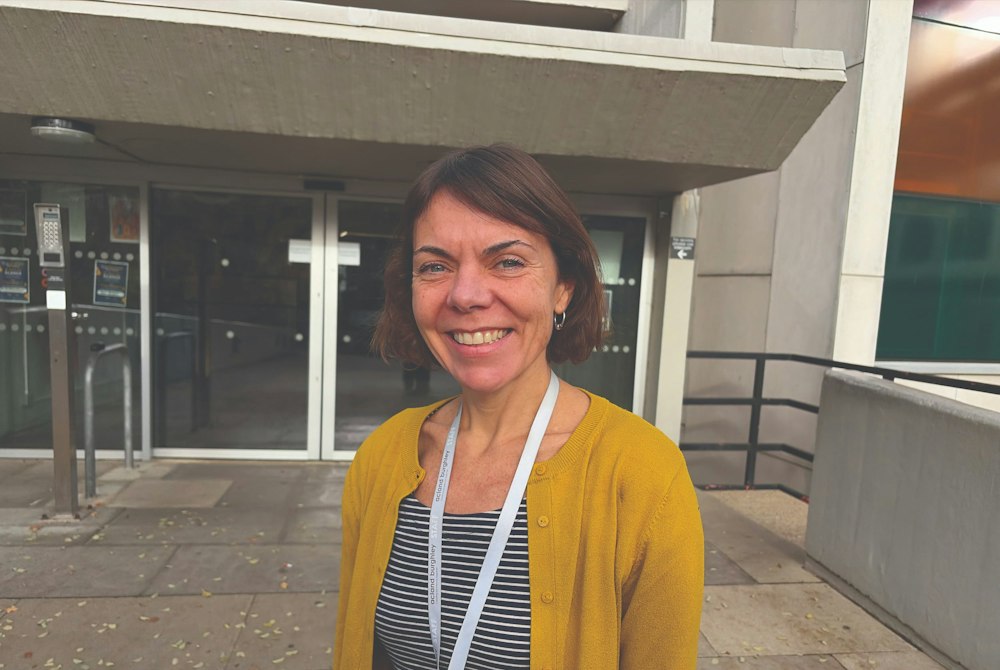
Acland Burghley School keeps pupils in at lunch, lets them shape the menu and teaches cooking. Here's how a Camden school built a culture of healthy eating.
Encouraging a healthy diet is a cornerstone of secondary education at Acland Burghley School, the Tufnell Park comprehensive where, for a decade, they have been proactive in tackling poor diets.
The school lobbied Camden Council 10 years ago to limit the number of fast-food shops that could open near them. With a number of cafes including fried chicken and chips nearby, they called for changes in planning laws to limit how many takeaways could open near school gates.
Their work to encourage better eating is fundamental to how they manage a school day.
"We do not let the children out at lunchtime," says head of school Martha Collins.
"We made that decision 10 years ago. We were not happy with what was being offered outside, and what was affordable was not going to be healthy.
"We wanted to create a culture of sitting down to eat together, a place students can talk to their peers. Teachers join them each day and we consider the social aspect of communal eating that you just do not get from grabbing a takeaway."
Swapping chicken and chips cooked off premises for something similar in the canteen would not help develop healthy habits, Ms Collins reflects – so the school reviewed their menus.
"We looked at what we were offering – we did not want food to be 'grab and go'. This discouraged pupils to sit and eat together – and there was an environmental cost with the packaging it created."
The school's food providers come from a central contract with Camden Council, but the school has control over what is served. "We have worked hard with food provider Caterlink," she adds. "We make sure it is nutritious and balanced." This includes a free salad bar and giving children input into the menus.
"We are sent menus and we discuss the content and variety, we look at how often they offer red meat, vegetarian and vegan options and a mix of carbohydrates.
"We go through what is on offer with pupils and ask for changes if needed. It means the children have ownership of the menu."
Talking about food choices is a vital part of the day.
"We do have a problem in the mornings with children going to sweet shops on their way in," she states.
"That does not set you up well, so we discuss that within assemblies."
The school has a cooking club and also a food growing project, and it re-introduced food technology to the curriculum three years ago.
It is a cross-curricular approach. For example, they include Spanish and French cooking classes, giving children a richer cultural experience alongside the opportunity to speak European languages in a different setting to the classroom.
"We teach knife skills – and we should not be afraid of doing hands-on lessons like this," she adds.
"You are more likely to cook at home if you have had these experiences."

Other relevant stories

Meat and dairy are driving the climate, wildlife and water crises. Going plant-based, even one meal a week, could help heal Britain's land, rivers and health.


If People Don't Feel the Change They Voted For, Their Faith in Mainstream Politics Will Be Shot. That's When Farage Wins.