



Babelfish launches Peoplenomics: four people-first policies, modelled by NIESR and CEBR, that could add £36bn to UK GDP and cut inflation. Put people first.
50 Ways to Leave Your Donor: A New Funding Model
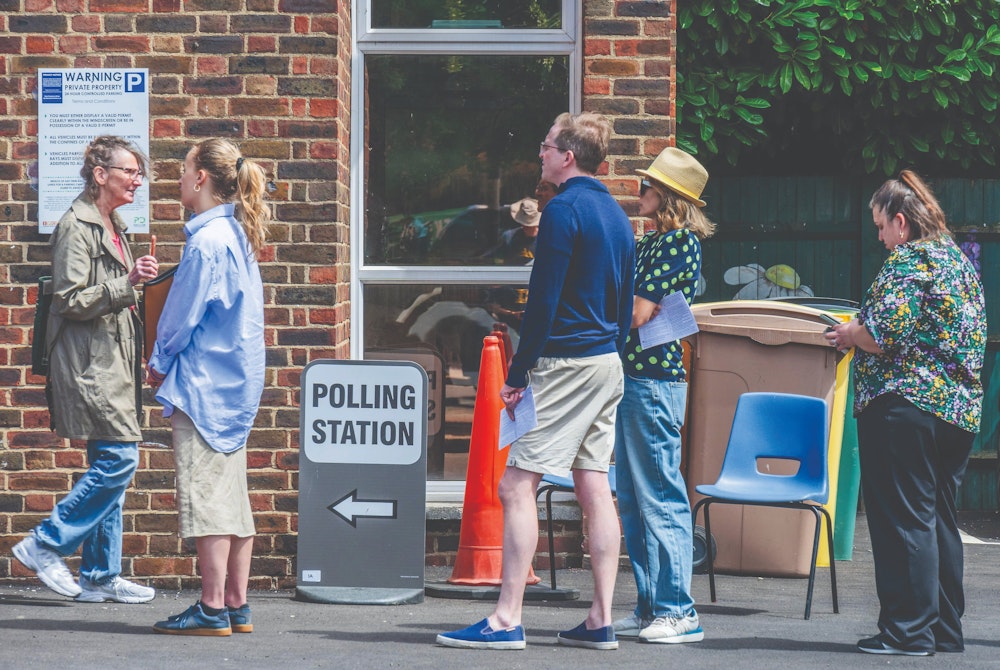
What if UK parties got £50 per paid-up member from the state instead of chasing mega-donors? The Autonomy Institute's plan would cost £50m a year - and clean up politics.
If private donations are to be banned, the replacement must be credible, fair, and resistant to partisan manipulation, according to the economy and democracy analysts the Autonomy Institute. They propose a dual-channel model that balances democratic responsiveness with institutional stability, and distributes funds to all qualifying parties through two complementary mechanisms. Beyond this, capped membership fees are still permissible. Here, we set out their proposals...
The Democratic Multiplier: a party-membership based system
Every political party's annual budget is set by a single, transparent formula: its number of paid-up members, multiplied by £50, paid by the state.
To qualify, a party must hold at least one seat in the House of Commons, so that public money follows demonstrated electoral support.
At today's membership levels, the total cost to the taxpayer would be around £50million a year. Every party's budget would reflect the genuine size of its engaged and democratic membership: the bigger the number of members, the bigger the budget.
The only legitimate way to grow a party's resources is to grow its democratic base. Equally, if an individual wants to improve a particular party's finances (and fortunes), then they have an incentive to become a member – thus likely increasing democratic engagement. It will obviously have to be mandated that there are relatively short (or nonexistent) notice periods should individuals wish to revoke their membership of any particular party, so as to prevent any gaming of the system.
The backstop: a participatory democracy fund
A purely member-based model risks entrenching large parties at the expense of smaller ones and risks some parties failing. To counter this, a "participatory democracy fund" would provide a backstop amount of money should any qualifying party not receive a minimum amount.
This baseline grant, which would vary depending on how much of a shortfall there is, ensures that even smaller parties have sufficient resources to participate meaningfully in democratic life.
We propose a minimum of £3million per year for each qualifying party.
The cost of financing this minimum standard is hard to estimate, but it is likely that few parliamentary parties would require the use of the fund due to the member-based financing system.
On our calculations of current data, only three political parties would currently miss the £3m threshold, on the basis of their membership size.
Keeping membership fees in the mix
This system does not exclude political party membership subscriptions but puts strong caps on them.
Mandated caps are essential so as to not allow huge subscription price brackets (which would be a way around a strict 'donations' ban). Given that the party will already receive £50 per member as part of this system, membership fees should be capped at £10 per month (most are currently well under this).
Governance and budget
The Crown Estate generates over £1billion per year of public revenue — 12% of which currently funds the monarchy.
Based on the most recent figures, reducing that share to 6%, with the difference ringfenced as a Democracy Fund, would allow the system to cover the full cost of a public party funding scheme of between £50-£70million, with a surplus to cover future rising costs (due to increased party memberships) and the backstop.
The Sovereign Grant would remain comfortably above its historical level, the legislation would be a single short amendment to existing law, and the proposal carries a strong justification, namely that the Crown Estate has belonged to the nation, not the monarch personally, since 1760.
The Democracy Fund would be overseen by a reformed Electoral Commission with enhanced independence and enforcement powers, including the authority to audit party spending and impose meaningful sanctions.
The budget could sit within the Cabinet Office.
The above assumes that Short Money, Cranborne Money, Policy Development Grants, devolved-parliament assistance are all still separately in place.
The Hipocrisy Gap
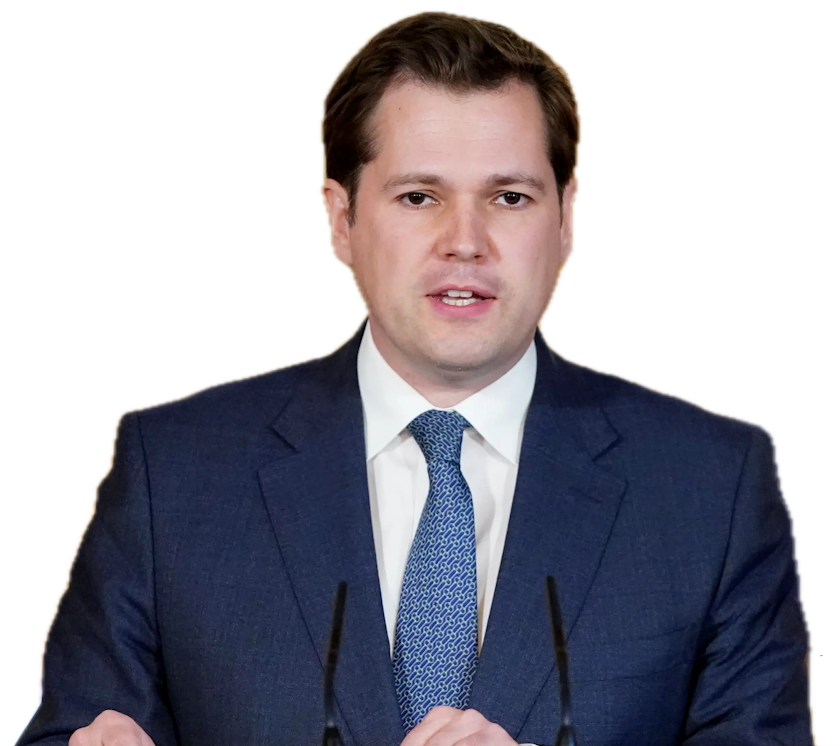
Robert Jenrick has form, doesn't make him guilty of course – but he struggles to follow the rules.
He has admitted 'acting unlawfully' in giving rapid planning permission to a major Tory donor (he met at a fundraiser) to help him avoid tax in one of London's poorest boroughs.
He said at the time, that's what fundraising dinners are for – or words to that effect. Ignorant, naive or just stupid – who knows?
Getting too close to donors risks scrutiny of your reputation – and just how Britain works in the interests of the wealthy.
He, of course, was the one who berated people for fare dodging, asking why it is OK for you not to pay.
No sense of irony, then, Bob?

Other relevant stories

End £30bn bank benefits, tax wealth like work, break the gas price link, launch a rooftop solar revolution and build 1.4m homes. Peoplenomics in five steps.

From King John's 1203 wool tax to the poll tax that sparked riots, 800 years of UK tax history show unfair taxes provoke revolt – and fair ones build nations.

Survation polling finds 59% of Britons back a 2% wealth tax on fortunes over £10m, while 63% say the wealthiest don't pay their fair share. Over to you, Andy.


Peoplenomics: price control, rooftop solar and tax reform put money in people's pockets – and could double UK growth. A new orthodoxy for Burnham's Labour.