



Babelfish launches Peoplenomics: four people-first policies, modelled by NIESR and CEBR, that could add £36bn to UK GDP and cut inflation. Put people first.
End of the Cheque, Mate: TUC Targets Big Money
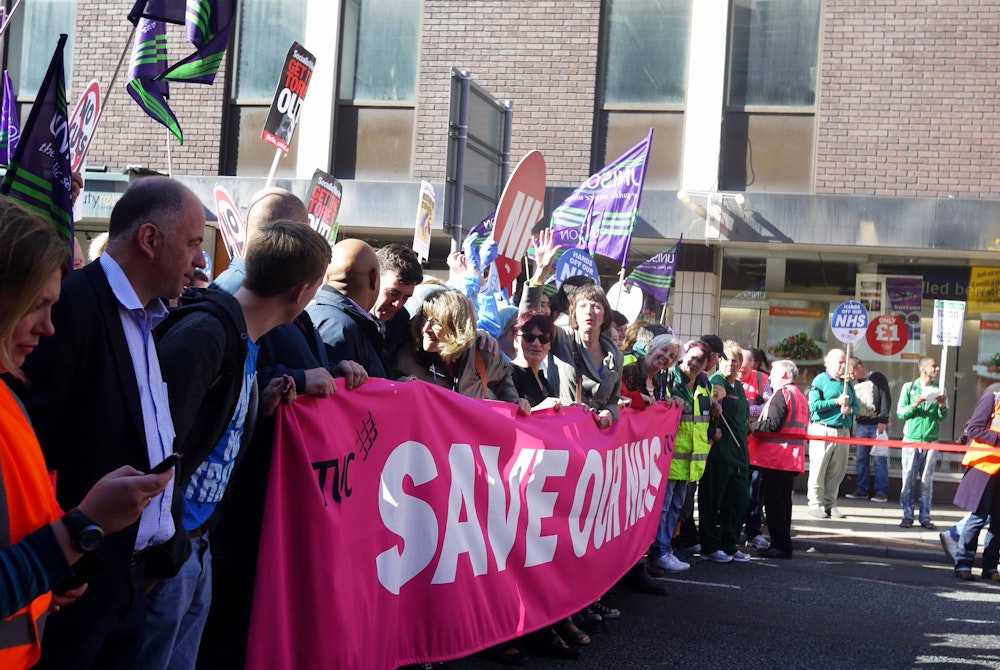
Crypto cash, mega-donors and captured media: three-quarters of Britons say big money has too much sway over UK politics. The TUC's Unity Works fights back.
Cleaning up our politics is not a side issue. It is essential to rebuilding trust and defending democracy in the UK.
People can see the system is not working as it should. Decisions affecting millions are too often shaped by money, influence and access rather than the public interest.
If we want a healthier democracy, we have to be serious about transparency, accountability and fairness – starting with who funds political power.
That is why the TUC has launched Unity Works, a major new initiative to bring workers and communities together around a positive vision for the economy and to confront the self-interested forces that are undermining our democracy.
Unity Works will campaign for fair pay, decent rights at work, strong public services and a tax system that works for everyone. But it will also take on something just as urgent: cleaning up a political system that too often feels captured by vested interests.
That starts with following the money.
The government was right last month to ban political donations made through cryptocurrency. Unlike more conventional forms of funding, crypto makes it far harder to trace where money originates – or whose interests lie behind it.
Embraced
It opens the door to hidden influence – including from overseas – with minimal transparency and next to no accountability.
That risk is already real. Reform has accepted cryptocurrency donations, following the example set by Donald Trump who has embraced crypto funding and even launched his own digital currency ventures.
This is a recipe for murkiness and mistrust, denying the public a clear view of who is bankrolling political power.
But cryptocurrency is only one part of a much bigger problem.
Our political system is increasingly shaped by extreme wealth. A small number of individuals now wield outsized influence over decisions that affect millions of people – without any meaningful democratic consent.
We can see this most starkly in the scale of big-money donations flooding into politics. Last year Reform received a record £12million from Thailand-based crypto investor Christopher Harborne – the largest political donation ever made to a UK party by a living individual.
Harborne also gave £1million to Boris Johnson's private office and is part of a broader pattern in which wealthy backers continue to prop up political figures long after the public has paid the price for their failures. And this concentration of power goes far beyond party funding.
Much of the UK's media landscape is dominated by a small number of billionaires who shape debate and public understanding through the lens of their own interests.
Online tech platforms owned by figures such as Elon Musk have become engines of division, amplifying misinformation and abuse because it drives engagement and profit. Taken together this growing dominance of wealth across politics, media and technology is corrosive to democracy.
If we are serious about restoring trust in our political institutions, transparency has to come first. Banning cryptocurrency donations is a step in the right direction but it cannot be the end of the story.
We also need to curb the influence of big money in politics, tackle media monopolies and properly regulate social media platforms. These are not fringe demands. They reflect widespread public concern.
Polling published by the TUC shows that three-quarters of people believe large donors to political parties have too much influence over UK politics – with just 1% thinking they have too little.
Two-thirds say multinational companies exert too much influence while only 2% believe they have too little.
Rebuilding faith in democracy means confronting entrenched power – not quietly cashing its cheques.

Other relevant stories

End £30bn bank benefits, tax wealth like work, break the gas price link, launch a rooftop solar revolution and build 1.4m homes. Peoplenomics in five steps.

From King John's 1203 wool tax to the poll tax that sparked riots, 800 years of UK tax history show unfair taxes provoke revolt – and fair ones build nations.

Survation polling finds 59% of Britons back a 2% wealth tax on fortunes over £10m, while 63% say the wealthiest don't pay their fair share. Over to you, Andy.

Peoplenomics: price control, rooftop solar and tax reform put money in people's pockets – and could double UK growth. A new orthodoxy for Burnham's Labour.