



Babelfish launches Peoplenomics: four people-first policies, modelled by NIESR and CEBR, that could add £36bn to UK GDP and cut inflation. Put people first.
How France, Canada and Germany Funded Cleaner Politics
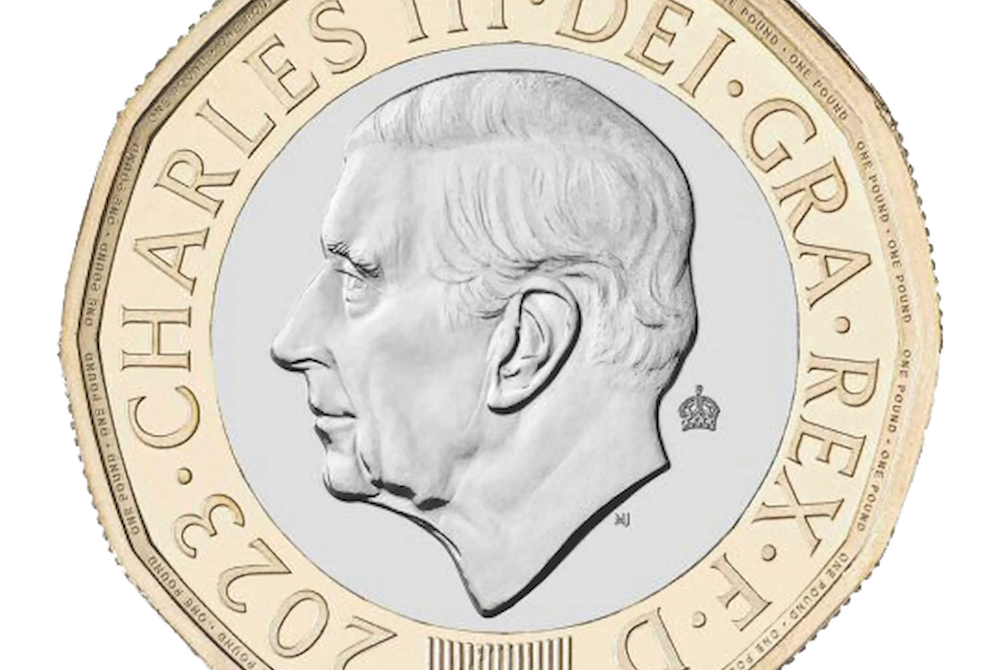
France banned corporate donations in 1995. Canada caps individual donations at £930. Five democracies show the UK how to stop mega-donors buying influence.
Other countries have already banned or severely restricted corporate and private donations to political parties, replacing them with public funding models that have proven both workable and popular.
France
Banned corporate donations outright in 1995. Today, only citizens and residents may contribute, capped at €7,500 per year and public financing forms the majority of party funding.
Canada
Prohibited corporate and trade union donations entirely in 2006. Individual contributions are capped at CAD$1,725 per year (£930). Parties rely primarily on individual donations and election expense reimbursements of up to 50%.
Belgium
Caps individual donations at €500 (£430) and provides extensive public funding to the parties.
Portugal
Calculates donation limits per person based on minimum wage, and bans donations from private firms, whether domestic or foreign.
Germany
No outright ban but strict donation caps with full transparency. Substantial state funding is allocated proportional to votes received and membership dues raised.
Quid pro quo?
REGISTER to vote and get £1 of public funds to allocate to a political party of your choice.
That's another scheme considered by the Autonomy Institute to ensure parties are funded according to their popularity and which would encourage politicians to put in the work to appeal to a wide supporter base.
Depending on the definition of an "eligible voter" the proposal could raise £28-£50million a year across the parties.
If defined as all registered voters, as opposed to those who actually voted at the last election, it would result in a £48.2m spending pot.
But if voters must actively assign their £1 on an opt-in basis, then given the 2024 general election turnout of 59.7%, the cost to the government would be capped at around £28.7m.
A universal assignment of £1 per voter approach is an alternative, with the "leftover" that has not been nominated by individuals going to the Treasury. The maximum resulting £48.2m amounts to 0.004% of the total £1.23trillion annual government spending.
The cost of the digital set up and maintenance of this scheme would need to be factored in.

Other relevant stories

End £30bn bank benefits, tax wealth like work, break the gas price link, launch a rooftop solar revolution and build 1.4m homes. Peoplenomics in five steps.

From King John's 1203 wool tax to the poll tax that sparked riots, 800 years of UK tax history show unfair taxes provoke revolt – and fair ones build nations.

Survation polling finds 59% of Britons back a 2% wealth tax on fortunes over £10m, while 63% say the wealthiest don't pay their fair share. Over to you, Andy.

Peoplenomics: price control, rooftop solar and tax reform put money in people's pockets – and could double UK growth. A new orthodoxy for Burnham's Labour.