

Who Do You Think You're Kidding Mr Crypto
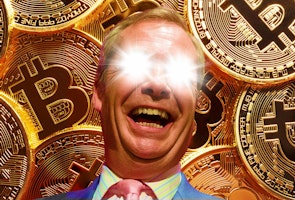
Nigel Farage says he’s on the side of British workers yet invests his riches in global crypto

Energy bills must be brought down. The cost of living is the issue raised more than any other, more than the NHS, crime, or migration. It should be no surprise. By October 2024, disposable incomes were no higher than at the end of 2019. The failure of the Conservative government to get a grip on this crisis cost the country half a decade of lost living standards.
With millions still feeling the strain of that toxic legacy, compounded by global instability, easing the cost of living for low and middle income households must be a defining mission of this Labour government.
We have already taken important steps to secure growth, raise incomes, and reduce costs, from increasing the National Minimum Wage to capping bus fares and expanding free childcare. But we must go further.
A bold, long-term living standards strategy must sit at the heart of our plan for growth. That means examining every system, from energy and housing to childcare, food, and water, to ensure each delivers genuine value for money for taxpayers and billpayers alike. The evidence shows this is not the case in our energy system. Since 2021, energy network companies have made around £4 billion in excess profits, paid for by our constituents through their bills. These profits are not tied to performance or consumer benefit, but to higher-than-expected inflation, allowing companies to recover borrowing costs far above their real costs. Worse still, these windfalls are expected to continue.
We also continue to let the price of gas dictate the price of other energy sources. This means we remain hostage to volatile fossil fuel prices and the whims of foreign dictators.
And then there are the regressive charges on energy bills, from VAT to policy levies. The approach of the Conservatives and Reform would take Britain backwards. They want to reverse this government's transition to a cleaner, cheaper, and more secure energy system. We must stay the course on clean power. But as part of our broader mission to raise living standards, we must also bring down energy bills for good.
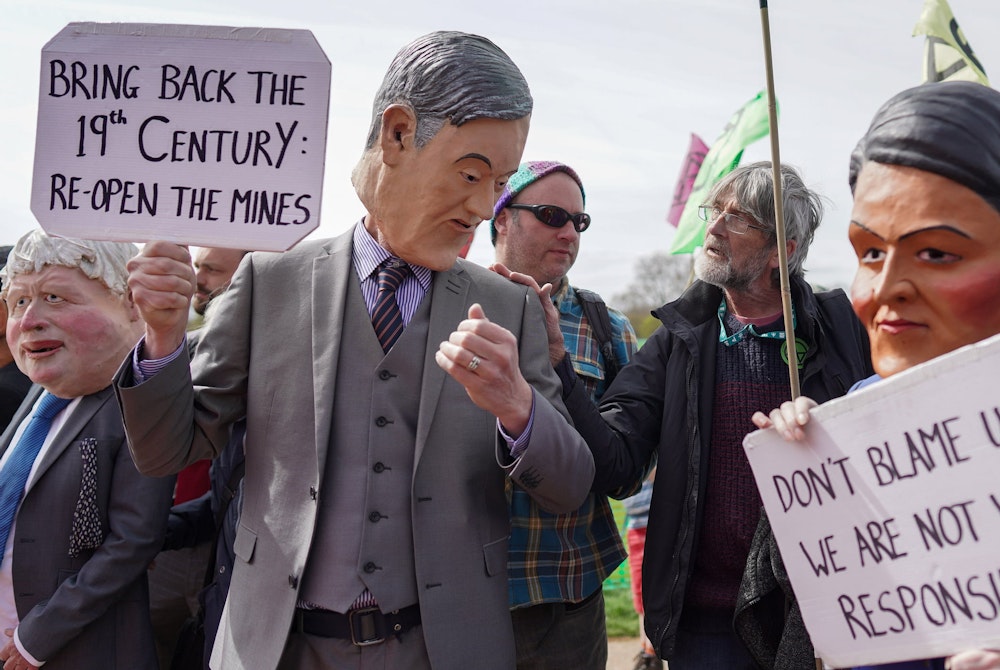
Jacob Rees-Mogg woke up to the fact that we needed to 'break the link' at the height of the energy crisis in 2022.
The then Business and Energy secretary said: “Businesses and consumers across the UK should pay a fair price for energy. With gas prices spiralling as a result of Putin's invasion of Ukraine, the Government is taking swift and decisive action.”
And they did take swift action — passing into law an ability to break the link between the price of gas and the price of green energy. But they didn't follow through. They shovelled £50 billion into energy bill subsidies and they imposed a windfall tax on green generation — both of these measures were short term, addressing the symptoms not the cause of the crisis. They left that in place, the link between the global price of gas and the price of green energy.
How much better off would Britain be today, if Rees-Mogg had got off his backside?
Nigel Farage says he’s on the side of British workers yet invests his riches in global crypto
11,000 People Surveyed. Five Tribes Identified. Here's Exactly Which Reform Voters Labour Can Win Back - and How.
Farage built his brand on his Trump bromance. Now 80% of Britons view Trump unfavourably and 64% see America negatively. The relationship that once helped him is becoming his biggest liability.
There's a lot to say about Reform. A lot of gaps to talk about. Like the gap between what they say and what they do.
Net Migration Is Down 75% From Its Peak. Most Immigrants Arrive on Work Visas. So Why Does Half the Country Think Otherwise?
Be the first to hear more from Babelfish