


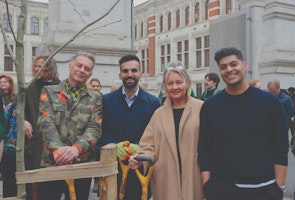
Misinformation, lobbyists and timid politicians: Chris Packham on why the climate crisis needs a war footing, and how the public can fight back.
Urban trees: why cities need more trees to beat the heat
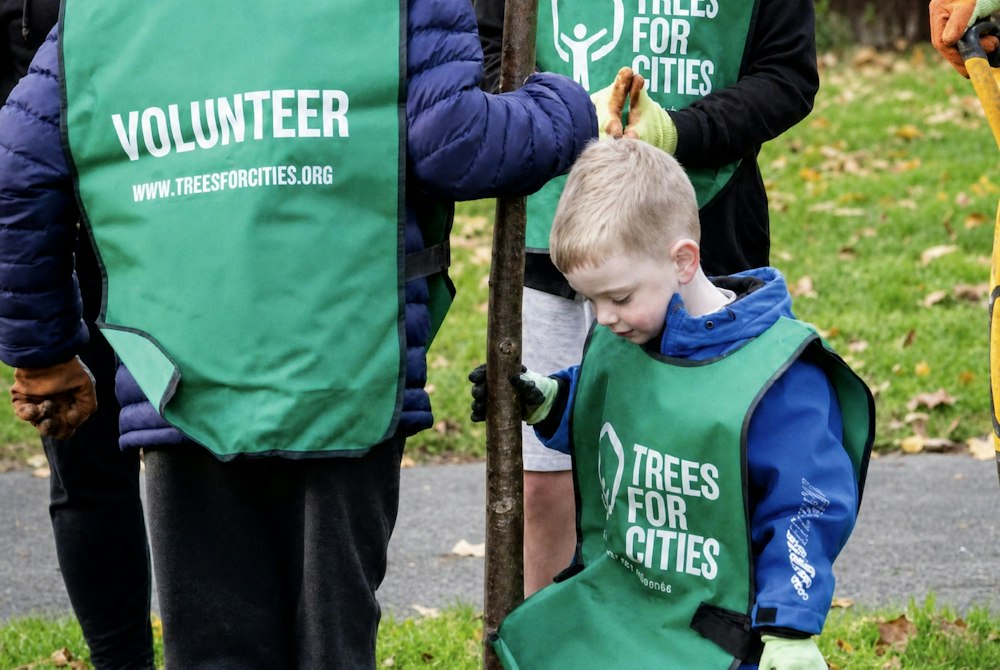
Urban trees cool streets, clean the air and cut flood risk. Trees for Cities CEO Kate Sheldon makes the case for investing in planting and long-term care.
As we grapple with extreme weather events and growing concern about the consequence for public health, there is a nature-based solution right in front of us: trees.
Urban trees remain one of our most powerful allies, making our towns and cities not just leafier, but more liveable. Trees are among the most effective and affordable infrastructure to help our cities adapt to a changing climate.
They cool neighbourhoods, improve air quality, reduce flood risk, support wildlife and create healthier places for people to live, work and spend time. Yet despite their blatant superpowers, too many communities still lack access to the benefits that trees provide.
At Trees for Cities, we work with local authorities, schools, community groups and businesses to plant and care for trees in urban areas where they are needed most.
We see first-hand the difference that trees make. Streets become cooler, offering a refuge from the sun. School grounds become greener and give children a chance to connect with nature. Communities come together around a shared sense of pride and stewardship.
The evidence is clear. Trees lower air temperatures through shading and evapotranspiration, helping to reduce the urban heat island effect that makes cities significantly hotter than surrounding areas. They filter harmful pollutants from the air, helping to improve respiratory health. Access to green spaces is consistently linked to improved mental wellbeing, reduced stress and increased physical activity.
Importantly, the public understands this. Recent polling in London found that 87% of people believe tree planting and increasing tree diversity is important, with nearly half (47%) saying it is very important.
In a time when public debate can often seem divided, this is a remarkably strong consensus. People recognise that trees are not a luxury. They are essential for healthy, resilient communities.
As the threats of a rapidly changing climate increase, we need to adapt the ways in which we plant, establish and care for urban trees. At the start of a new tree-planting season and with the risk of an even hotter El Niño summer next year, we are focusing our efforts on careful species selection to increase genetic diversity, innovating our approach to tree care by mobilising communities as tree champions, and targeting where we plant to maximise the impact for vulnerable communities.
Because successful urban forestry isn’t measured by how many trees we plant, but by how many survive and thrive to benefit communities for decades to come.
This is why we are calling for greater investment in urban forestry and, crucially, tree establishment and maintenance. We need long-term commitment to creating greener, more equitable towns and cities so everybody can enjoy nature close to home.
The decisions made today by policymakers, local authorities, businesses and communities will shape how well we adapt to the climate and public health challenges of the coming decades.
Trees are not a silver bullet, but they are one of the smartest investments we can make. That’s why we’re proud to be working alongside the Greater London Authority, RBG Kew, Camden Council and other partners through a new Tree Equity & Urban Resilience Project, bringing trees to the heart of Camden.
More information at www.treesforcities.org

Other relevant stories


Ecotalk uses its profits to restore nature. Beavers are back in East Sussex, and a Devon field is now a thriving wetland. Every call and text helps.

Council spending on London parks has plunged over 15 years. A new Parks for London report says green spaces need resilience to survive and thrive.