



Babelfish launches Peoplenomics: four people-first policies, modelled by NIESR and CEBR, that could add £36bn to UK GDP and cut inflation. Put people first.
A Brief History of Tax in Britain, From 1203 to Today
From King John's 1203 wool tax to the poll tax that sparked riots, 800 years of UK tax history show unfair taxes provoke revolt – and fair ones build nations.
From wool to homes... history of UK tax
1203: First tax is introduced by King John on the export of wool to fund his campaigns in France. Further unpopular taxes would ultimately lead to the King being pushed into signing the Magna Carta in 1215 to curb his power.
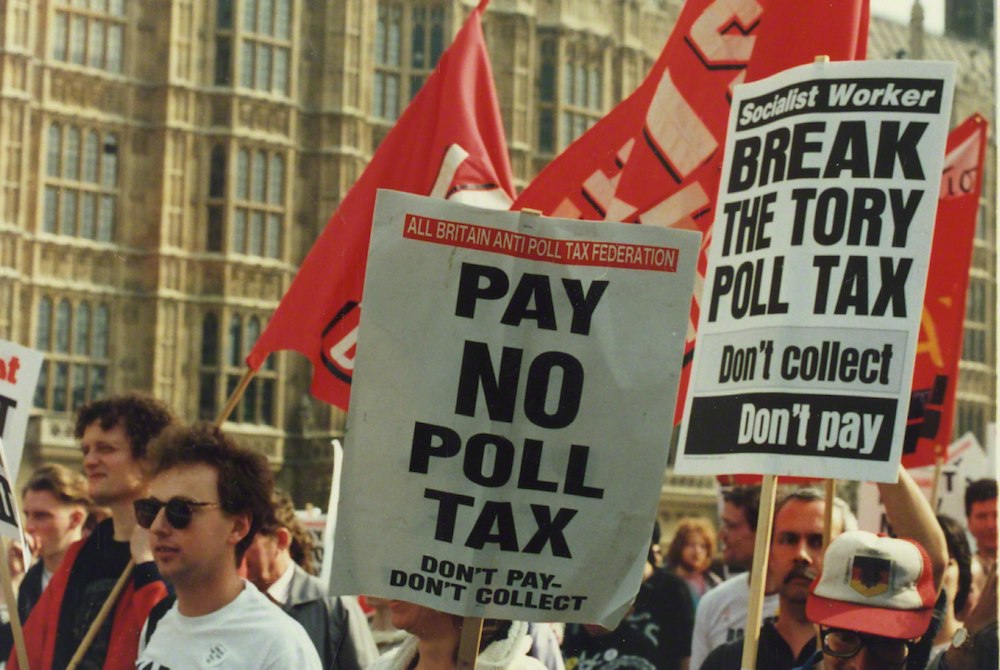
1377: Poll taxes introduced to directly tax subjects rather than wealth or property. Subsequent instalments of a flat-rate levy would trigger the Peasants' Revolt of 1381.
1696: Window Tax is introduced on properties with more than ten windows, leading many to brick theirs up and homes to become badly ventilated. Despite popular myth, it did not originate the term "daylight robbery".
1799: Prime Minister and Chancellor of the Exchequer Pitt the Younger introduces a temporary 10% levy on income over £200 to fund the Napoleonic wars, marking Britain's first tax on income.
1842: After being repealed in 1816 following the Battle of Waterloo in 1815, which ended the war, income tax is reintroduced by Prime Minister Sir Robert Peel to balance the budget, establishing it as a mainstay of economic policy.
1909: Lloyd George as Chancellor champions "super taxes" as part of a progressive "people's budget" aiming to fund social reforms and pensions for the elderly.
1973: Value Added Tax (VAT) replaces purchase taxes as UK joins the European Economic Community.
1993: After Thatcher's 1989 Community Charge attempted to impose a flat per person Poll Tax that incurred widespread protests it is repealed and replaced with Council Tax.

Other relevant stories

End £30bn bank benefits, tax wealth like work, break the gas price link, launch a rooftop solar revolution and build 1.4m homes. Peoplenomics in five steps.

Survation polling finds 59% of Britons back a 2% wealth tax on fortunes over £10m, while 63% say the wealthiest don't pay their fair share. Over to you, Andy.


Peoplenomics: price control, rooftop solar and tax reform put money in people's pockets – and could double UK growth. A new orthodoxy for Burnham's Labour.

The Bank of England has paid commercial banks £100bn in interest on reserves in three years. The EU stopped doing it in 2023 – Dale Vince says Britain must too.