



Babelfish launches Peoplenomics: four people-first policies, modelled by NIESR and CEBR, that could add £36bn to UK GDP and cut inflation. Put people first.
End £30bn Bank Subsidies to Lift UK Personal Tax Allowance
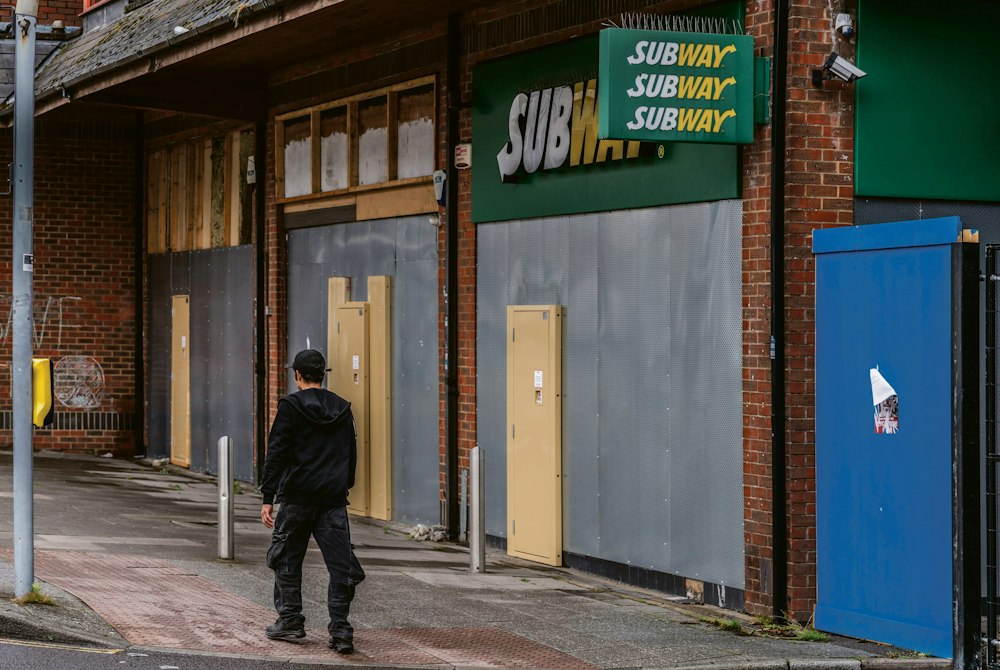
Raising the personal allowance to £15,570 would leave low earners £600 a year better off. Dale Vince says ending £30bn in bank subsidies could pay for it.
Unfreeze tax allowance to help the needy
Labour could afford to increase the frozen personal tax allowance for Britain's lowest paid simply by ending little-known subsidies for banks, argues Dale Vince.
The donor, who believes multi-millionaires should pay a wealth tax, is calling for Chancellor John Healey to lift low earners out of income tax and put hundreds of pounds in people's pockets to boost the economy.
Vince believes the £20billion cost of increasing the personal tax allowance by £3,000 could be found by the Bank of England stopping the practice of paying interest on central bank reserve deposits held by commercial banks.
Commenting on the government's interest payments to banks, Vince continued: "Britain's banks are super successful at making money.
"That makes them a target every now and then for a windfall tax. But their success is built on subsidies, massive taxpayer subsidies running to the tune of £30billion a year, paid by the Bank of England – as interest on their cash piles.
Struggle
"This interest payment serves no purpose; it simply enriches the already rather rich.
"So rather than agonise over a windfall tax – the last one raised a handful of billions by the way – the better way is to stop fuelling their already huge profits with our taxpayer subsidy.
"This is probably the easiest reform we can make. Switzerland and the EU have already done it – if we end banking subsidies, we save £30billion a year. We can use that cash for things that can help people and grow the economy, such as restoring the personal allowance for income tax."
Jaya Sood, senior economist at the New Economics Foundation, has highlighted public money "flowing to commercial banks". She said: "While families struggle with the cost of living, billions of pounds of public money flows to commercial banks every year. That is not an unavoidable cost of monetary policy. It is the direct result of decisions about how fast the Bank of England sells its gilt holdings and how it pays interest on reserves, decisions that could be taken differently.
"Options exist, from slowing the pace of quantitative tightening, to tiering the interest paid on reserves, to a windfall tax on the banks receiving these payments. They would save billions a year, it is just a matter of the Bank and Treasury's willingness to change course."
Vince commissioned the respected National Institute of Economic and Social Research (NIESR) to model the macroeconomic effect that raising the personal allowance would have.
NIESR's modelling identified a "sweet spot", or amount to raise the personal allowance by, which maximises the benefits while minimising the costs.
Earners
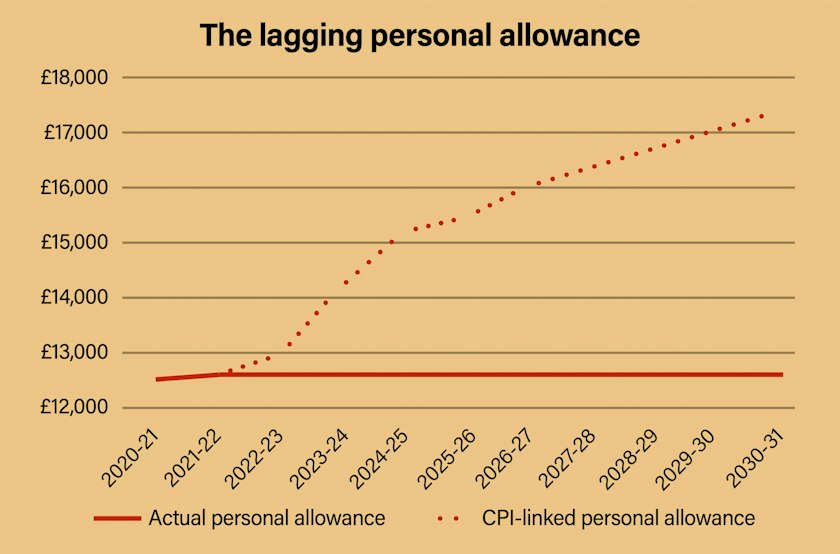
This amount is found by raising the threshold by about 20% to £15,570 (roughly the level if it would have been at had it not been frozen in 21/22), costing the government about £20billion. The average person in the bottom 20% of earners would be £600 better off each year as a result. The government has a number of options for funding this major tax reform, including equalising capital gains tax with income tax and ending the current practice of the government paying interest on central bank reserve deposits to commercial banks.
Around £14billion could be raised by taxing capital gains equally to wages.
In 2021, the personal allowance was frozen at £12,570 a year and 26.6million people paid income tax at the basic rate of 20%. By 2026-27, 31.4million people became liable to pay income tax at the basic rate. If personal allowance had risen in line with the rate of inflation, it would have been around £16,070 for 2026/27.
Vince added: "We've spent years squeezing people at the lower end of earning while handing billions to the banks and allowing wealth to be taxed more lightly than work. That's backwards.
"If Labour wants to get the economy moving, it should put money into the pockets of people who will spend it.
"Raising the personal allowance to £15,570 would give millions of people a meaningful boost, with the biggest benefit going to those on the lowest incomes.
"We can pay for it by making the tax system fairer – starting with capital gains and the billions we currently hand to banks in interest. Give people money and they'll spend it on our high streets.
"That means more demand, more economic activity and a stronger economy. It's time to put working people first."

Other relevant stories

End £30bn bank benefits, tax wealth like work, break the gas price link, launch a rooftop solar revolution and build 1.4m homes. Peoplenomics in five steps.

From King John's 1203 wool tax to the poll tax that sparked riots, 800 years of UK tax history show unfair taxes provoke revolt – and fair ones build nations.

Survation polling finds 59% of Britons back a 2% wealth tax on fortunes over £10m, while 63% say the wealthiest don't pay their fair share. Over to you, Andy.


Peoplenomics: price control, rooftop solar and tax reform put money in people's pockets – and could double UK growth. A new orthodoxy for Burnham's Labour.