



Babelfish launches Peoplenomics: four people-first policies, modelled by NIESR and CEBR, that could add £36bn to UK GDP and cut inflation. Put people first.
Wealth Tax UK: A 2% Levy on £10m+ Could Raise £24bn a Year
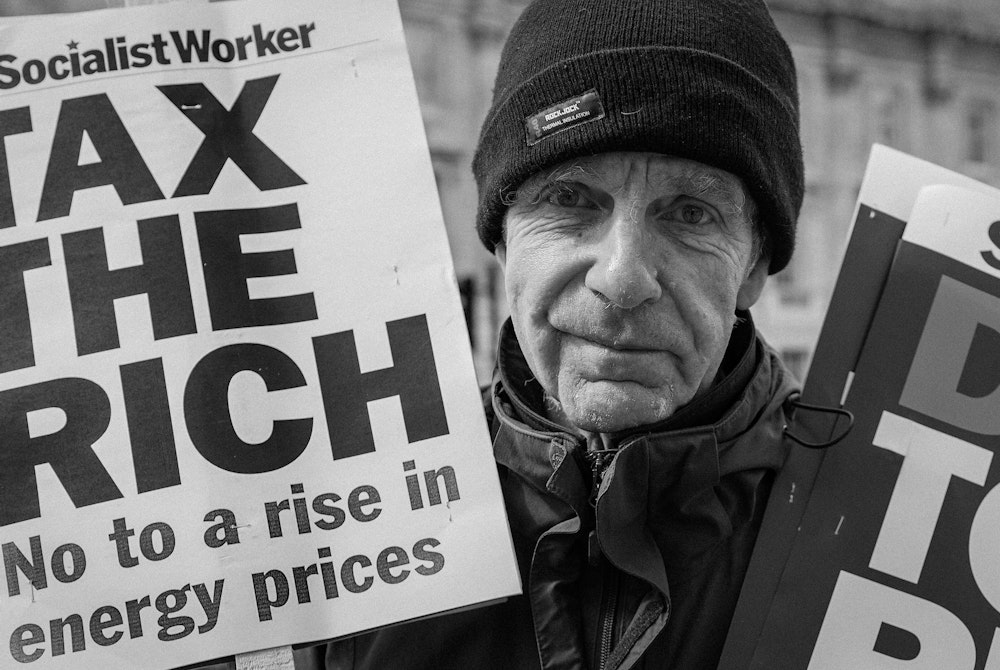
A 2% wealth tax on fortunes over £10m could raise £24bn a year for UK public services and climate action – and 76% of Britons back it. Here's why it's fair.
Time to give back for the common good
Across Britain, governments face pressure on public services, an unrelenting cost-of-living crisis and the escalating costs of a climate crisis.
At the same time, wealth remains concentrated in the hands of a small number of people.
The question is not how much money the government needs to address these issues. It is a question of how that money is raised and, crucially, who is asked to contribute.
There are a range of options, from reforming existing taxes on wealth to new measures targeted at the wealthiest individuals.
For example, a well-designed 2% tax on wealth above £10million could raise up to an estimated £24billion a year. It would affect only around 20,000 people – just 0.04% of the UK population. The tax bills of the majority would not change. But for society as a whole, the difference could be enormous.
The £24billion could support a range of ideas that would make a meaningful difference – from easing pressure on over-stretched public services, to supporting a fair transition from oil and gas dependency to a green economy, accelerating investment in renewable energy and warmer homes, and helping communities become more resilient to climate shocks.
Justice
Fair wealth taxes could also help avoid false choices, such as cutting international aid to boost defence spending.
Public support for fairer taxation of extreme wealth is strong. Recent Oxfam polling found 76% of people across Britain support the wealth tax we propose. More broadly, 80% support increasing taxes on the super-rich to enable greater government spending on public investment and climate justice. And it is not just the public who want action; over 100 millionaires recently urged the PM to tax them more.
When wealth accumulates at the very top while millions face financial insecurity, inequality is not just an outcome of the economy. It shapes who has security, opportunity and influence – and who does not. Fairer taxation of extreme wealth won't solve every challenge, but it can make a greater contribution. It should be seen not as a way of raising more revenue, but as part of tackling the root causes of poverty and inequality. It can help to give government the resources to invest in the services, care and infrastructure needed to create a fairer society.
Equally, a fairer tax system could help Britain rebuild its reputation as a global development leader. It is not about punishing success. It is about recognising that extreme wealth is built on the backs of ordinary people and the nation's infrastructure, institutions and public services.
It's time to recognise that those who have benefited the most can afford to give something back and contribute more to the common good.

Other relevant stories


End £30bn bank benefits, tax wealth like work, break the gas price link, launch a rooftop solar revolution and build 1.4m homes. Peoplenomics in five steps.

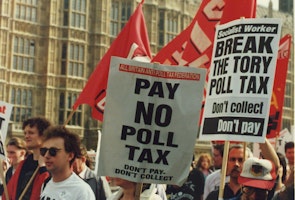
From King John's 1203 wool tax to the poll tax that sparked riots, 800 years of UK tax history show unfair taxes provoke revolt – and fair ones build nations.

Survation polling finds 59% of Britons back a 2% wealth tax on fortunes over £10m, while 63% say the wealthiest don't pay their fair share. Over to you, Andy.


Peoplenomics: price control, rooftop solar and tax reform put money in people's pockets – and could double UK growth. A new orthodoxy for Burnham's Labour.