



Babelfish launches Peoplenomics: four people-first policies, modelled by NIESR and CEBR, that could add £36bn to UK GDP and cut inflation. Put people first.
Working Right: Why Reform's Workers' Champion Claim Doesn't Stack Up

Reform Promised Good Wages for a Hard Day's Work. Then Voted Against Sick Pay, the Minimum Wage and Unfair Dismissal Protection. The Working Right Should Know.
WORKING RIGHT
Not surprisingly, as the group facing the most financial challenges and likely to be most concerned about the cost of living, workers' rights and the economy are key areas for the Working Right.
But despite Reform claiming to be the party of working people and pledging "good wages for a hard day's work", there are flaws in their policies that can hit home.
The report shows that the Working Right strongly supports statutory sick pay from first day of sickness, making the minimum wage a real living wage, protection from unfair dismissal from day one of a new job, guaranteed-hours contract after 12 weeks on zero-hours and the ending of the practice of fire-and-rehire on lower pay or worse terms and conditions.
Significantly their support for such typical Labour policies is higher than the general population. The group feels it traditionally belongs to the left of politics and although the research shows the group has supported Reform for some time – it does suggest that they may have been put off voting Labour by Jeremy Corbyn in the run up to the 2019 general election.
So how do you get the message across on the economy and workers' rights to this group? One obvious way is to highlight the contrast between what Reform promises and its leading politicians' track record. All four of the party's current MPs have, at every stage, voted against the Employment Rights Bill which promised workers protection from unfair dismissal, an improved minimum wage, and other significant rights.
Reform has also proposed that businesses pay a higher National Insurance rate for employing foreign workers, to incentivise them to prioritise Britons when hiring.
However, that also highlights the dangers. Firstly, drawing attention to the way Reform has attempted to take on the role of the workers' party becomes increasingly risky as the party's base diversifies. The report suggests restricting criticism to known hypocritical figures is better than labelling the whole party.
Secondly, this group has some of the strongest views on the threat of rising immigration to employment opportunities, access to GPs and availability of school places. Their economic pessimism has fuelled a perception of competition, not just with wealthy elites but also with immigrants.
Allowing Reform to form an association between good pay and tougher action on immigration will appeal to the Working Right and others, so a critical question is how dignity in work and a decent wage can be encouraged for everyone in a way that avoids communities feeling they are in competition with newcomers.
There are inevitably going to be some difficult decisions to make for Reform. The research shows a wide disparity on certain topics between the different groups that back the party. One of the most obvious is this group's enthusiasm for workers' rights in contrast to the extremely low support from the Hardline Conservatives who have moved to Reform from the Tories.
Another key area where the Working Right appear persuadable is on the NHS. Farage has questioned their funding. Fears healthcare may no longer be free at the point of use for everyone could be an unappetising prospect for them. However, the face and tone of these messages will be vital as the Working Right largely have a low trust of politicians.

Other relevant stories

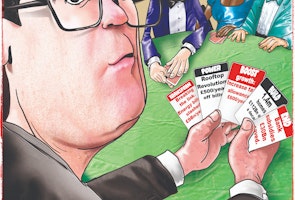
End £30bn bank benefits, tax wealth like work, break the gas price link, launch a rooftop solar revolution and build 1.4m homes. Peoplenomics in five steps.

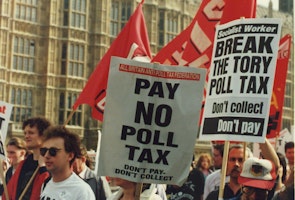
From King John's 1203 wool tax to the poll tax that sparked riots, 800 years of UK tax history show unfair taxes provoke revolt – and fair ones build nations.

Survation polling finds 59% of Britons back a 2% wealth tax on fortunes over £10m, while 63% say the wealthiest don't pay their fair share. Over to you, Andy.


Peoplenomics: price control, rooftop solar and tax reform put money in people's pockets – and could double UK growth. A new orthodoxy for Burnham's Labour.