



End £30bn bank benefits, tax wealth like work, break the gas price link, launch a rooftop solar revolution and build 1.4m homes. Peoplenomics in five steps.
Tackle the climate crisis and fuel poverty together
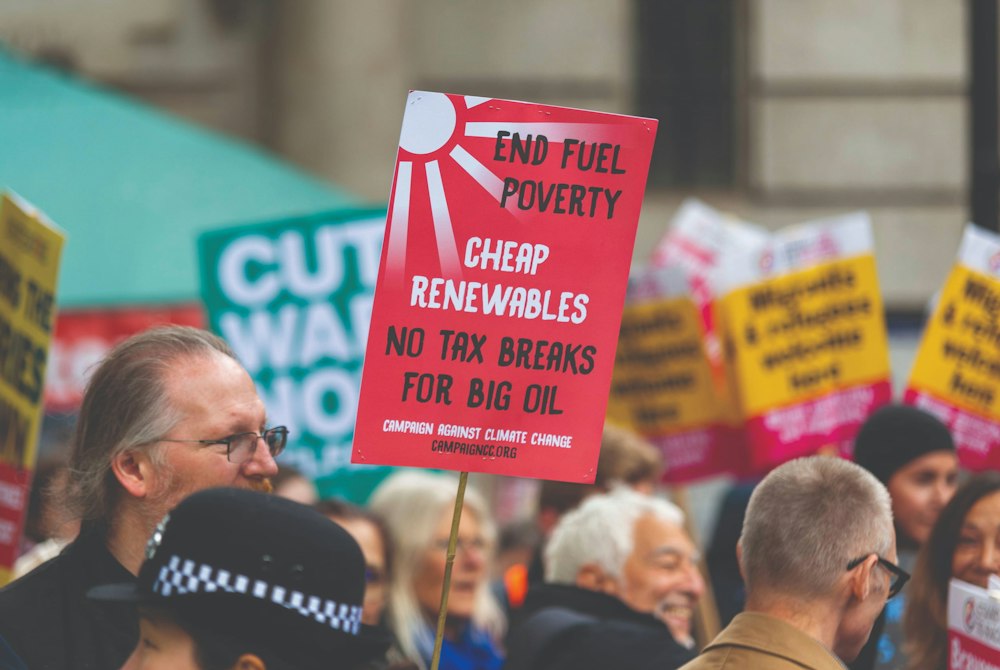
Cold, damp homes in winter, dangerous heat in summer. Camden shows why tackling fuel poverty, the housing crisis and climate change must go hand in hand.
The housing crisis and the climate emergency are often treated as separate challenges. But in truth they are deeply connected. The people least able to afford to heat their homes are often living in the coldest, dampest and least energy-efficient properties. And as our climate changes, those already struggling with poor housing are increasingly exposed to extreme heat, flooding and other weather events.
This is particularly important for London, and especially for Camden. As we come together for LDN COP, we need to recognise that many of the homes we live in today were built for a very different climate.
Our housing stock was not designed for the hotter summers, more intense rainfall and increasingly unpredictable weather we are now experiencing. Camden has some of the oldest housing stock in the country. Much of it was built long before anyone anticipated the climate extremes we are now facing.
For residents in poorly ventilated flats, particularly older people, young children and those with health conditions, extreme heat can make homes increasingly uncomfortable and difficult to live in. And these pressures are felt against the backdrop of an already deep housing crisis. In Camden, the scale of the housing challenge is stark.
More than 8,000 households are on the social housing waiting list, and around 1,400 households are living in temporary accommodation. House prices and rents remain among the highest in the country.
Behind those figures are families living in overcrowded conditions, young people unable to afford to stay in the borough they grew up in, and residents facing the uncertainty of not knowing where they will call home.
This is a housing inequality issue as much as it is an environmental one.
Lower and middle-income households are often least able to make the improvements needed to protect themselves. They should not have to choose between keeping warm in winter and staying safe in summer.
The scale of the retrofit challenge in Camden is significant.
More than half of our homes were built over 100 years ago. The council owns around 33,000 homes, many of which have solid walls, ageing heating systems and other features that make improvements more complex and expensive.
The estimated cost of fully retrofitting the council’s housing stock is close to a billion pounds. Having spent much of my career working in local government and on housing, I know the scale of the challenge facing councils. They cannot do this alone. We need government, housing providers, landlords and communities working together, with the investment to match the ambition.
Tackling the climate emergency should also mean tackling fuel poverty, improving housing conditions and making sure that where you live, or what you earn, does not determine how exposed you are to the climate crisis.

Other relevant stories


Britain paid £43bn extra for energy in 2023 because gas sets the price. Wholesale price control, a North Sea deal and breaking the link could slash UK bills.


UK energy bills are at the mercy of casino capitalism. Control wholesale prices, extend it to North Sea oil and gas and break the gas link – that's how we win.

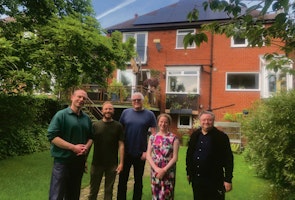
Neighbours on one Sheffield street clubbed together to bulk-buy solar panels, cutting costs by over 40%. Now their summer bills go negative. Here's how.


Tony Blair is wrong on green energy. High bills come from fossil fuels and a rigged market — not renewables.