



End £30bn bank benefits, tax wealth like work, break the gas price link, launch a rooftop solar revolution and build 1.4m homes. Peoplenomics in five steps.
182 years to clear England's social housing waiting list
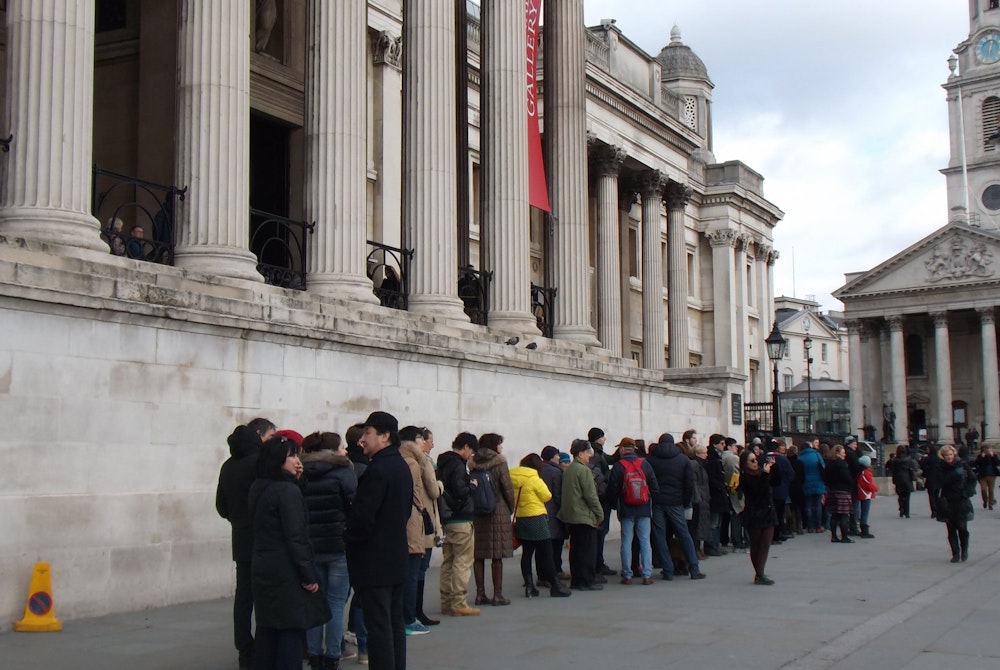
1.3m households wait for social housing while just 7,363 social rent homes are built a year. Babelfish finds 45 councils would take over a millennium to clear.
It would take England's councils 182 years to clear their social housing waiting lists at the rate we have been building new social homes for the last 10 years, Babelfish has found.
The backlog for social housing has topped 1.3million while just 7,363 new social rent homes have been provided a year for the past decade.
There are signs of improvement – last year 12,198 social rent homes were delivered by councils, housing associations and private developers across England, up from 10,320 the year before.
Change is needed more urgently than ever – the waiting list for social housing has increased every year for the last seven.
The cost is staggering. The housing benefit bill was set to hit £36billion this year – almost the same amount the government has announced it will pump into new social and affordable housing over 10 years.
Over a third (36%) goes into the pockets of private landlords, who are set to scoop up a further £69billion in housing benefit and housing-linked universal credit over the next five years.
Angela Rayner promised a "council housing revolution" when she was the Housing Secretary.
England produced more than 100,000 council homes a year from the end of the second world war to the mid-1970s. Last year, local authorities completed just 2,660 council homes – and started work on 1,080 more.
The government has announced £39billion for a 10-year Social and Affordable Homes Programme. Through Homes England and the GLA in London, it aims to deliver around 300,000 affordable homes, with at least 60% of these for social rent.
We found huge variation around the country. Our analysis found that five local authorities could clear their waiting lists in less than ten years after Telford and Wrekin, Stafford, Wokingham, Lichfield and Rugby councils saw more than 4,000 new social rent homes on their patches in the past ten years.
But 45 councils would take more than a thousand years to clear their waiting lists at current rates – they have seen barely one thousand new social rent homes between them in a decade.
A dozen local authorities have seen no new properties for social rent in ten years, while a dozen more have received less than ten such properties – fewer than one a year.
We approached some of the councils where no new social housing has been delivered in the last decade.
Councillor Chris Varley, lead member for housing at Richmond Council, said: "We are under no illusion about the scale of the housing crisis facing London.
"The figures cited do not tell the full story. Historically, social rent and affordable rent homes have been recorded together in our monitoring because both provide genuinely affordable housing for local residents.
"For a number of years, government funding programmes did not support the delivery of new social rented homes, significantly limiting the ability of councils and housing associations across London to bring forward this tenure.
"While funding for social rent has since returned, it takes time for development programmes to translate into completed homes."
A spokesperson for Eastbourne Council said that "definitions, including 'social rent', paint a misleading picture".
He added: "In recent years, delivering new homes at social rent has become extremely challenging due to rising construction costs and insufficient grant.
"The new Social and Affordable Homes Programme is a positive step, and we are actively seeking grant funding to increase delivery of social rent within our pipeline."
He said the grant needed to "reflect real brownfield remediation costs" and called on the government to end right-to-buy "to protect supply".
He added: "Councils can and want to build, but delivery depends on a funding and policy framework that matches real-world costs and demand – currently it does not."
A Tameside Council spokesperson said: "Previous grant funding programmes have focused on the delivery of new affordable rent housing. This has made the delivery of social housing financially challenging for developers. However, 47 units of new social housing are currently on site through this programme and will be completed in 2026."
A spokesperson for Hyndburn Council in Lancashire said nearly 300 affordable homes had been delivered in the borough over the last five years and added: "A key issue affecting the delivery of social rent homes locally is viability. The lower rent levels associated with social housing can make schemes financially unviable under current funding arrangements.
"We would welcome a funding framework that better enables and incentivises the delivery of social rent homes to help meet local needs."

Other relevant stories

Putting solar on 1.8m UK social homes would save households £618 a year, add £5.1bn to the economy and support 7,600 jobs a year, new CEBR modelling shows.

Just 7.7% of council homes in England, Scotland and Wales have solar panels, our investigation finds. At this rate, catching up will take nearly 80 years.

Housing associations sold 5,250 homes in 2024-25 as 1.3m households sat on waiting lists. Councils want first refusal to buy them back before they're lost.

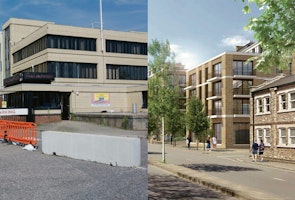
Mortlake's Stag Brewery site has permission for 1,000+ homes, yet it's been 'mothballed'. As UK housebuilding hits a 10-year low, why are we still waiting?