



End £30bn bank benefits, tax wealth like work, break the gas price link, launch a rooftop solar revolution and build 1.4m homes. Peoplenomics in five steps.
Bob won't build it. Can Andy fix it?

Britain's big five sit on 869,000 plots worth £275bn and build slowly to keep prices high. Start the rates clock the day permission is granted.
Britain has a housing crisis. Every year for at least 10 years, there are more people born in our country than houses built – and so the crisis deepens. But why are houses so expensive and in such short supply? Are we short of land, bricks, or builders? Is it environmental regulations – should we blame the newts and the bats? And the 'Swampies'…?
In our fourth edition, Babelfish takes a deep dive into Britain's housing market and we can tell you with confidence that it is none of the above. The problem we have is 'the market'.
We looked at Britain's big five housebuilders and found them sitting on a landbank that will take them on average 14 years to exhaust, at their current woeful rate of building. They sit on 869,000 potential homes with a market value of £275billion. Good for them – not good for the country. This is hoarding.
We found a market that looks under the control of an OPEC-style cartel, where supply is restricted to keep demand and prices high. Whether by design or not, the fact is these companies all behave the same way, build slowly to keep prices high. And if you think this OPEC-style analysis is off the mark – consider that these guys settled with the CMA for £100million last year and they barely blinked.
We also looked at the potential Britain has – just on brownfield sites, the number of homes consented but sitting unbuilt. It's a shockingly big opportunity to fix this crisis. 1.4million homes potentially, half of them already consented. The idea that we need to loosen environmental regs, that newts and bats are holding back new homes is, well, for the birds. We already have enough homes consented to meet half of Labour's 1.5million home target this parliament. And the other half exists – all on brownfield land.
And finally we looked at options to make Bob the Builder get off his or her arse and do their job – it's not complex, money is what drives them, landbanking is a free ride – we can end that. From the moment a piece of land gets planning permission the clock should be ticking, towards another moment when that land no longer costs the owner the rates that simple land does, but begins the journey to the level of rates paid for actual houses. Councils work really hard to deal with planning applications and a big part of the case for new development is the economic gain, through rates. Why allow housebuilders to bank these planning consents at the rateable value of empty land, until they decide to release new homes into the market – which desperately needs new homes now.
Let's bring forward the date by which local areas actually benefit from the economic promises of new housing developments. Whether built or not.
Oh, we also looked at a different form of intervention – the economic case for a massive government-funded housebuilding programme – we looked past the obvious benefits: more people able to own their own home, or just having somewhere to live, and sooner. We looked at the economic benefits to the nation and they are profound. There's a business case for intervening to solve this crisis, which funnily enough has been caused by a business case to benefit from the crisis and the status quo. Here's some bold stats – over 10 years if we build the 1.4million homes consented or waiting to be (on brownfield land) we get: 130k jobs, an £89billion boost to construction.
Big picture – for every £1 spent by government on doing such a thing, we get back £1.92 in benefit. That's the kind of return that only venture capitalists or water-company bosses tend to be able to get – let's have it for the public, let's get on and build the new homes that Bob (the new blob named Bob) isn't. Bob won't build it, can Andy fix it?

Other relevant stories

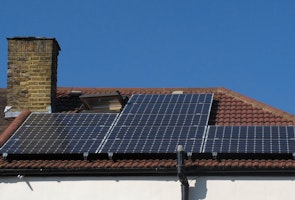
Putting solar on 1.8m UK social homes would save households £618 a year, add £5.1bn to the economy and support 7,600 jobs a year, new CEBR modelling shows.

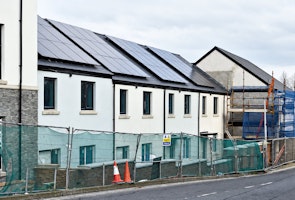
Just 7.7% of council homes in England, Scotland and Wales have solar panels, our investigation finds. At this rate, catching up will take nearly 80 years.

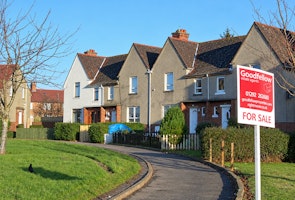
Housing associations sold 5,250 homes in 2024-25 as 1.3m households sat on waiting lists. Councils want first refusal to buy them back before they're lost.


Mortlake's Stag Brewery site has permission for 1,000+ homes, yet it's been 'mothballed'. As UK housebuilding hits a 10-year low, why are we still waiting?