



End £30bn bank benefits, tax wealth like work, break the gas price link, launch a rooftop solar revolution and build 1.4m homes. Peoplenomics in five steps.
Wipe the debt and let councils build again
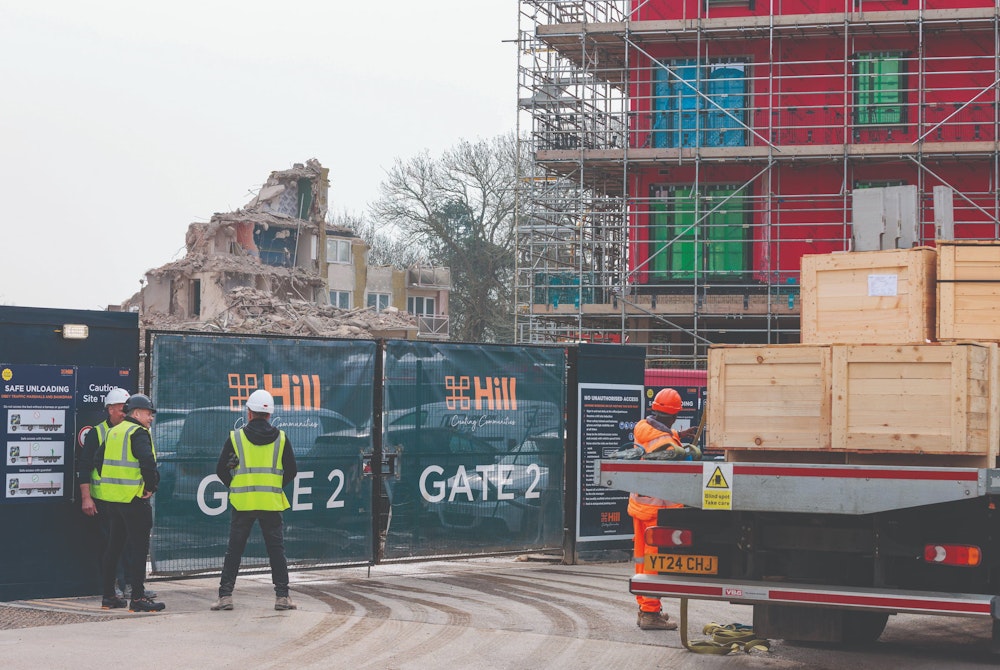
176,130 children are homeless. Councils delivered just 12,000 social rent homes last year, crushed by £29bn of historical debt. Clear it and let them build.
The last few weeks have been a turbulent time in politics. As the dust settles, politicians of all stripes will recognise that the new leader of this country will face a public crying out for change.
This will mean fixing the foundations. And what's more fundamental to our wellbeing and prosperity than the home we live in? Yet England is stuck in the grips of a housing emergency that only seems to get worse. A colossal 1.3million households are stuck on social housing waiting lists. At 176,130, the number of children now homeless is equivalent to the number of children living in Leeds.
These figures are even more stark when compared with the roughly 12,000 social rent homes delivered last year. Social rent homes – where rents are linked to local incomes – are the only affordable option for most homeless families, so this gap between delivery and need should ring alarm bells for any government, let alone one that promised to deliver a council housing revolution.
The reality is, unless the government starts delivering more genuinely affordable social rent homes at breakneck speed, we're looking at a housing emergency that will outlive us all.
But it wasn't always like this. At the peak of social home delivery in 1967, nearly half (46%) of all new homes built in England were for social rent. Of these, almost all (97%) were delivered by councils.
Councils have always played a unique role in delivering social rent homes, but as the housing emergency has escalated, they've borne the brunt of the costs. Last year councils, who are responsible for housing homeless households, spent a staggering £2.8billion on temporary accommodation. This is unsustainable.
It's why, more than any private developer, they have a vested interest in building the social rent homes we need. They also know how to build the right types of homes, in the right places, to best serve their communities.
To give the government fair credit, they have recently taken some steps in the right direction. The new social housing bill introduces changes to right-to-buy – a scheme that's drained our supply of social homes – to help protect remaining stock. And the new Social and Affordable Homes Programme provides a significant increase in funding for new social rent homes.
However, to end the housing emergency, we need to do more than tinker around the edges. We need to build 90,000 new social rent homes each year for the next 10 years.
The way to reach these levels? We've got to get councils building again. Andy Burnham for one recognised this when he pointed out that there is "no solution to the housing crisis unless you start to build more council homes or homes for social rent".
But one of the main barriers stopping councils from building is an overwhelming amount of historical debt. In 2012, as part of an agreement with central government, councils were saddled with debt which has now grown to £31.8bn.
But the terms of that deal have been repeatedly broken by successive governments – for example councils have been forced to sell off more homes through heavily discounted right-to-buy sales than they anticipated.
This historical housing debt is now unfair and untenable. And, crucially, having to pay it back, along with the eye-watering interest, means councils don't have the financial headroom to build more homes.
Reducing or removing this debt is a simple and targeted solution which would unleash councils to deliver social rent homes at scale again. Failing to ramp up delivery of social homes and end the housing emergency will only compound problems for families, councils and the wider economy.
But with the right interventions from government, a council housing revolution is possible. One that sees councils deliver the social homes they've built before and can build again.
That gives generations of children a safe and secure home to grow up in. That lays the foundations for communities across this country to thrive.

Other relevant stories

Putting solar on 1.8m UK social homes would save households £618 a year, add £5.1bn to the economy and support 7,600 jobs a year, new CEBR modelling shows.

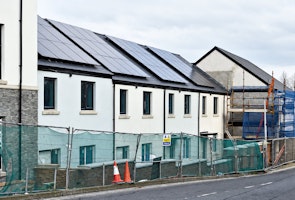
Just 7.7% of council homes in England, Scotland and Wales have solar panels, our investigation finds. At this rate, catching up will take nearly 80 years.

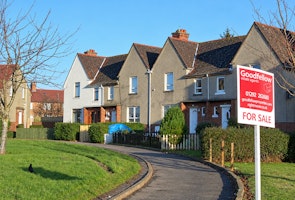
Housing associations sold 5,250 homes in 2024-25 as 1.3m households sat on waiting lists. Councils want first refusal to buy them back before they're lost.


Mortlake's Stag Brewery site has permission for 1,000+ homes, yet it's been 'mothballed'. As UK housebuilding hits a 10-year low, why are we still waiting?