



End £30bn bank benefits, tax wealth like work, break the gas price link, launch a rooftop solar revolution and build 1.4m homes. Peoplenomics in five steps.
Britain's housing crisis is a health and dignity crisis
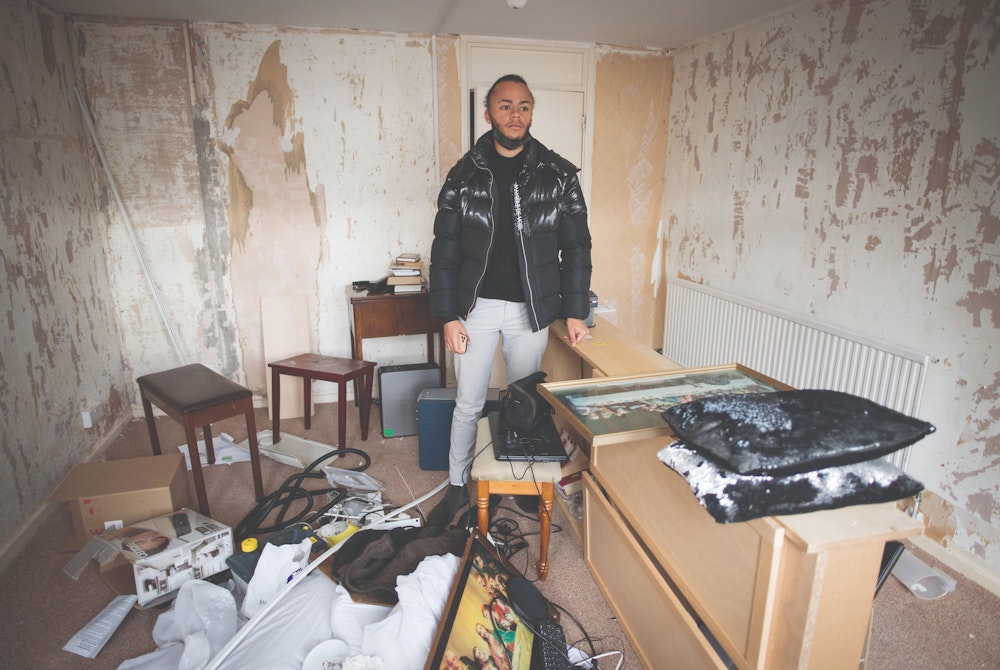
A woman with breast cancer, homeless in a bed bug-infested hotel. London spends £5.5m a day on temporary accommodation. Britain's housing crisis is now ordinary.
Recently I met a woman being treated for breast cancer, who was homeless and living in a hotel room infested with bed bugs.
She is still there and describes how debilitating it has been for her: not only has the cancer been physically challenging, but existing in a single hotel room has been hugely detrimental to her mental health.
It's a pattern I see all the time. People having to quit their jobs or studies because of the impact that homelessness or living in poor conditions has on their overall health.
That woman's situation perfectly captures Britain's housing crisis. It isn't just about bricks and mortar, it's about health, dignity and opportunity. The foundations of life.
Every week as a campaigner and writer I meet people whose lives have been turned upside down because they lack somewhere safe, secure and genuinely affordable to live. Families trapped for years in temporary accommodation. Cancer patients sleeping in cars after being denied support when presenting as homeless. Disabled people expected to climb flights of stairs they physically cannot manage, and if they refuse being told they are making themselves intentionally homeless. Survivors of domestic abuse facing impossible choices because there simply isn't anywhere to go.
These are not extraordinary stories any more, they are becoming ordinary. And that should concern every one of us.
If I had one message for the next Prime Minister it would be: the housing crisis has quietly become one of the biggest drivers of inequality in Britain. It affects educational attainment as kids spend their entire childhoods in "temporary" accommodation, and the knock-on damage to physical health, mental health, stability and employment is immeasurable. Not to mention economic growth. Yet we still talk about housing as if it's a niche political issue rather than the foundation on which everything depends.
Private rents have risen dramatically in recent years, particularly in cities where demand far outstrips supply and the rise of multi-occupancy housing (HMOs) makes things even more unbearable. For many families, rent consumes such a large proportion of their income that saving for a deposit, building financial security or simply coping with an unexpected bill is impossible.
Meanwhile, councils spend billions placing homeless households in temporary accommodation (in London it's £5.5million a day) because they do not have enough social homes. We are spending fortunes managing the consequences of the housing crisis instead of investing in its solution. Imagine if we were able to invest those billions in long term solutions like council housing?
The answer isn't particularly complicated. Britain needs to build significantly more social rent homes. Not housing simply labelled "affordable" but homes with rents genuinely linked to local incomes.
We also need councils to be properly funded and held accountable for the quality and suitability of the accommodation. No family should spend years in a hotel room. No disabled resident should be offered accommodation they cannot access.
Some of the housing officers I meet work tirelessly under immense pressure. They care deeply about the people they serve but too often they are trying to solve impossible problems with impossible shortages.
Failure
The real failure sits higher up. It is the result of decades of underinvestment in social housing and political decisions that consistently fail to match supply with need.
Housing isn't a luxury.
A safe, secure home allows children to learn, parents to work, people to recover from illness and communities to flourish. It reduces pressure on the NHS, social care, schools and countless other public services.
Every time I visit another family living in conditions no one should have to accept, I am reminded that behind every statistic is a person simply asking for the chance to live with dignity.
The family whose children believed hotel life was normal didn't need charity, they needed what every family deserves: a secure, affordable place to call home.
Until we make that possible, Britain's housing crisis will continue to rob thousands of something most of us take for granted: the certainty that when we close the front door at night, we'll still have one tomorrow.
The Hypocrisy Gap

Robert Jenrick
Talked a good game on providing more affordable homes when he had a two-year stint as Tory Housing Secretary. In practice he was on shakier ground, especially when he personally intervened to approve a £1billion 1,500-home development in east London.
The government's own planning inspector advised against the scheme saying it needed to deliver more affordable housing in the capital's poorest borough.
That didn't stop Jenrick giving the deal a nod – and helping the developer save £40million – as approval was given the day before community charges placed on developments were increased. Jenrick was later forced to accept the development was 'unlawful' though he denied any bias.

Other relevant stories

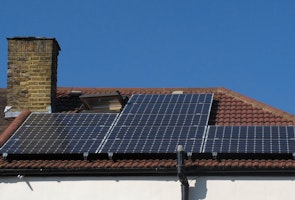
Putting solar on 1.8m UK social homes would save households £618 a year, add £5.1bn to the economy and support 7,600 jobs a year, new CEBR modelling shows.

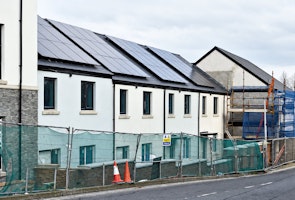
Just 7.7% of council homes in England, Scotland and Wales have solar panels, our investigation finds. At this rate, catching up will take nearly 80 years.


Housing associations sold 5,250 homes in 2024-25 as 1.3m households sat on waiting lists. Councils want first refusal to buy them back before they're lost.


Mortlake's Stag Brewery site has permission for 1,000+ homes, yet it's been 'mothballed'. As UK housebuilding hits a 10-year low, why are we still waiting?