



End £30bn bank benefits, tax wealth like work, break the gas price link, launch a rooftop solar revolution and build 1.4m homes. Peoplenomics in five steps.
So much to do in the battle to sort the housing crisis
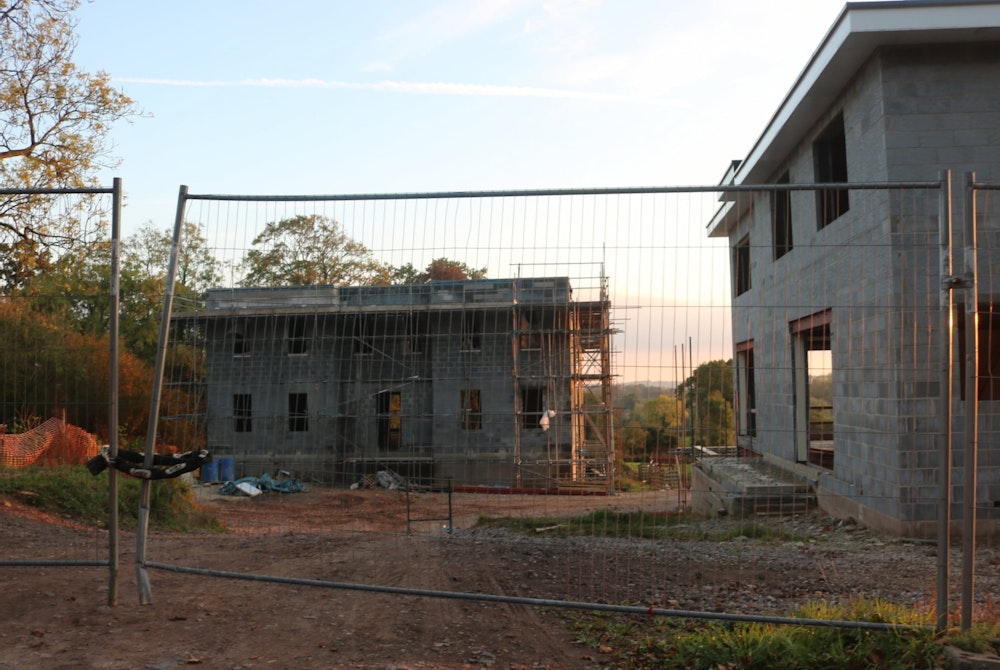
1.4m homes have planning permission but sit unbuilt, councils face a £3bn shortfall, and service charges are soaring. Supply alone won't fix Britain's housing.
Despite widespread recognition of the UK housing problem, progress in delivering new homes has been slow.
In its 2026 Spring Forecast, the OBR predicted that net additions to the UK housing stock will fall to a low of 220,000 in 2026-27. The IPPR found last year that around 1.4million homes have received planning permission, but remain unbuilt.
The shortage of housing has driven up rents across much of the country.
Local councils are struggling to cope with growing numbers of people requiring temporary accommodation – facing a £3bn shortfall. This is a significant financial burden, but also a human one. Social and council housing is counter-cyclical; because there is increased demand for it during economic downturn, the government can maintain supply chains and construction capabilities while tackling homelessness and giving people the roof over their heads they need to be economically active, boosting growth.
This solves one of the largest issues with the current development process, which works on a speculative system in which supply is heavily influenced by external factors like inflation, build and labour costs, and share price.
Regional authorities can also play a big role by helping to unlock new housing supply. Prioritising the development of brownfield sites and making better use of empty public sector buildings would be good examples of this.
But supply alone is not enough. The housing market must also work better for consumers. In 2024, the average annual service charge bill had risen by 11% from the previous year, to £2,300.
We have to provide stronger incentives (or penalties) to ensure that developments are completed. If buyers lack confidence in the market, or if those on the housing ladder are losing money to extortionate property management and estate fees, demand for new housing may be constrained. One in six families in England is living in leasehold homes and paying service charges, while 80% of freehold properties built by the 11 largest housebuilders between 2018 and 2023 are likely subject to estate charges.
Strengthening protections via a proper regulator would help restore trust, and activity, in the housing market.
Also there must be a renewed commitment to council housebuilding, to provide homes for those in greatest need and stabilise the market.

Other relevant stories

Putting solar on 1.8m UK social homes would save households £618 a year, add £5.1bn to the economy and support 7,600 jobs a year, new CEBR modelling shows.

Just 7.7% of council homes in England, Scotland and Wales have solar panels, our investigation finds. At this rate, catching up will take nearly 80 years.


Housing associations sold 5,250 homes in 2024-25 as 1.3m households sat on waiting lists. Councils want first refusal to buy them back before they're lost.


Mortlake's Stag Brewery site has permission for 1,000+ homes, yet it's been 'mothballed'. As UK housebuilding hits a 10-year low, why are we still waiting?