



End £30bn bank benefits, tax wealth like work, break the gas price link, launch a rooftop solar revolution and build 1.4m homes. Peoplenomics in five steps.
Why Planning Reform Alone Won't Fix the Housing Crisis
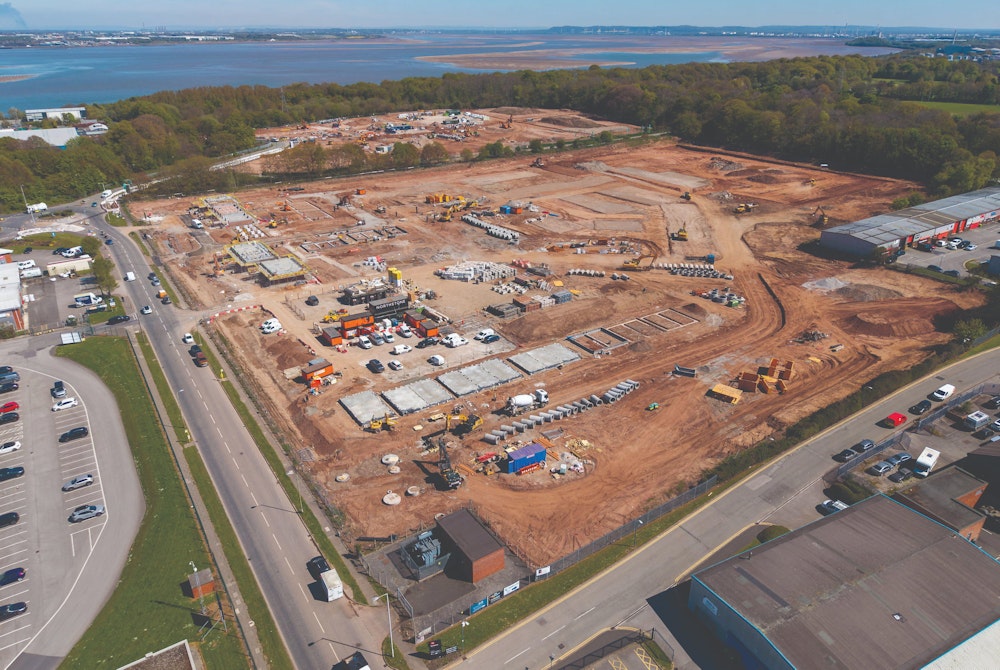
Building homes is financially unviable across 48% of the country. Planning reform won't fix that. The real barriers are costs, land, infrastructure and demand.
The debate around housing supply often focuses on a single question: why are we not building enough homes?
The reality is that the home building industry could be delivering significantly more housing, were it not for a string of barriers blocking and delaying homes at every turn.
In the late 2010s and early 2020s, following several years of strong construction activity, and government-led initiatives designed to accelerate new home delivery, housing supply reached just under 250,000 net additions annually to the housing stock. However, amid rising costs and a less favourable policy environment, these levels of output have not been sustained, and all indicators suggest annual output is hovering closer to 200,000 and falling.
While many welcome changes have been made, the Starmer-led government's approach was characterised by planning reform. Since the 2024 General Election, a rhetoric appears to have emerged that "fixing planning" will automatically unlock 300,000 homes a year. Planning permission is only one stage in a long process. Even where permission exists, schemes can stall because of viability pressures, infrastructure constraints, utility connections or market conditions. Planning remains a significant challenge but planning reform alone will not solve the housing crisis, and future decision-makers need to think more broadly.
The Home Builders Federation's (HBF's) recent analysis found that the cumulative impact of new regulations and policy requirements can add around £76,000 to the cost of delivering a new home. These costs arise from a range of sources, including nutrient neutrality requirements, biodiversity net gain, building safety changes, energy efficiency standards, affordable housing contributions and other planning obligations.
Unviable
Around half of affordable homes are delivered through the Section 106 model, whereby a proportion of a site of private homes has to be affordable, which are then taken on by the council or housing association. The model means that the more private homes you build, the more affordable ones get delivered. However, the increases in taxes and policy costs have squeezed the amount left for affordable homes such that the site can become unviable.
Research from Zoopla found that building homes is financially unviable across 48% of the country, with challenges to viability in an additional 16%, leaving just a third of local authorities where development is viable.
For many years, it has been assumed by policymakers that rising development costs could be offset by adjustments to land values. The adage has been that landowners would ultimately bear these costs. Yet the scale of cost increases over the past five years has pushed this to its limit. Land values can only fall so far before the supply of land is compromised.
Landowners only get to sell their land once. Understandably they want a decent price, and potential non-housebuilding buyers may pay more as they are not laden with such an array of taxes and policy asks. Land is a homebuilder's raw material and without it they cannot deliver any homes. That is why developers, especially larger ones, get land deals done years in advance, because to get that land to the point where they can actually build takes many years of negotiation through the planning system. Without that speculative "strategic" land already waiting, they won't have enough coming through the pipeline.
At HBF we are already hearing that our members, particularly smaller builders, are having to choose between building homes at a loss on the land they own or stopping development and reducing the size of their workforce.
HBF is calling for a moratorium on further new policy costs, taxes and levies on homebuilding. This should begin with a cancellation of the new Building Safety Levy, which is due to become payable in October 2026 and has been shown by HBF to be unjustified and disproportionate, and the suspension of the planned annual increases in landfill tax scheduled for the next four financial years.
The other major threat is the lack of support for potential homeowners. Builders can only build if buyers can buy and without affordable mortgages and targeted support for first-time buyers, demand will continue to be constrained.
HBF is urging the government to take swift action to resolve the generational gap in home ownership.
Another significant constraint is infrastructure. Housing developments can be delayed by limited capacity in water and wastewater networks.
Builders find themselves unable to proceed because water companies are unable to provide connections or because of concerns over sewage treatment capacity. Similar issues arise with electricity networks and transport. If the country is serious about moving from 200,000 homes a year towards 300,000, it must address all these constraints together.
Planning reform is necessary but not sufficient. We need viable sites, investment in infrastructure, a stronger skills pipeline, proportionate regulation, functioning utilities and a land market that can adapt to new economic realities.
Homebuilders stand ready to deliver more homes. The question is not whether the industry wants to build 300,000 homes a year; the question is whether the conditions exist to make those homes viable?
The Hypocrisy Gap
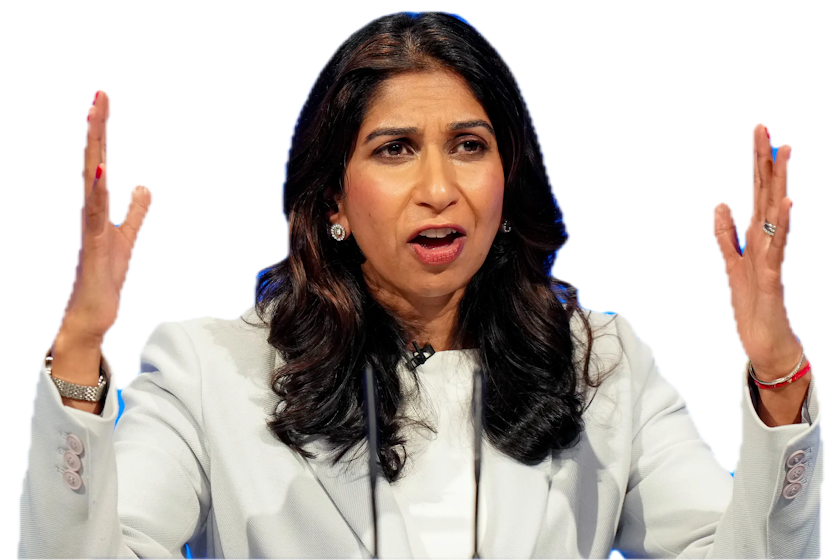
Suella Braverman
Her parents had a tough start in life, as she herself has said. Both parents were immigrants, her mother from Mauritius, her Goan father from Kenya. Braverman said: "The UK offered my family and I the hand of friendship in times of need. The Conservative Party and working in law and politics, in turn, have been the vehicle through which I can attempt to repay the country for its generosity and compassion."
Braverman betrayed the Tories to join Reform, and values she claimed to possess, when as Home Secretary she proposed new laws to restrict the use of tents by homeless people, arguing that many of them see it as a "lifestyle choice".

Other relevant stories

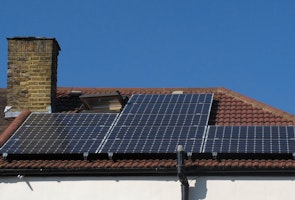
Putting solar on 1.8m UK social homes would save households £618 a year, add £5.1bn to the economy and support 7,600 jobs a year, new CEBR modelling shows.

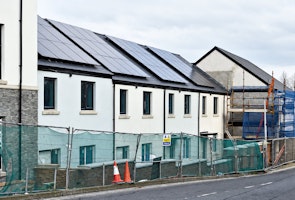
Just 7.7% of council homes in England, Scotland and Wales have solar panels, our investigation finds. At this rate, catching up will take nearly 80 years.


Housing associations sold 5,250 homes in 2024-25 as 1.3m households sat on waiting lists. Councils want first refusal to buy them back before they're lost.


Mortlake's Stag Brewery site has permission for 1,000+ homes, yet it's been 'mothballed'. As UK housebuilding hits a 10-year low, why are we still waiting?