


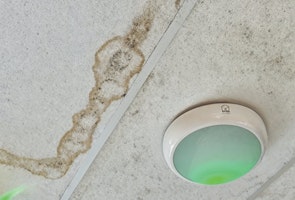
Flats for vulnerable tenants, riddled with black mould and rats, are being sold to investors as government-funded income. A top MP calls it outrageous.
Damp and mould: why sealing up homes is making us ill
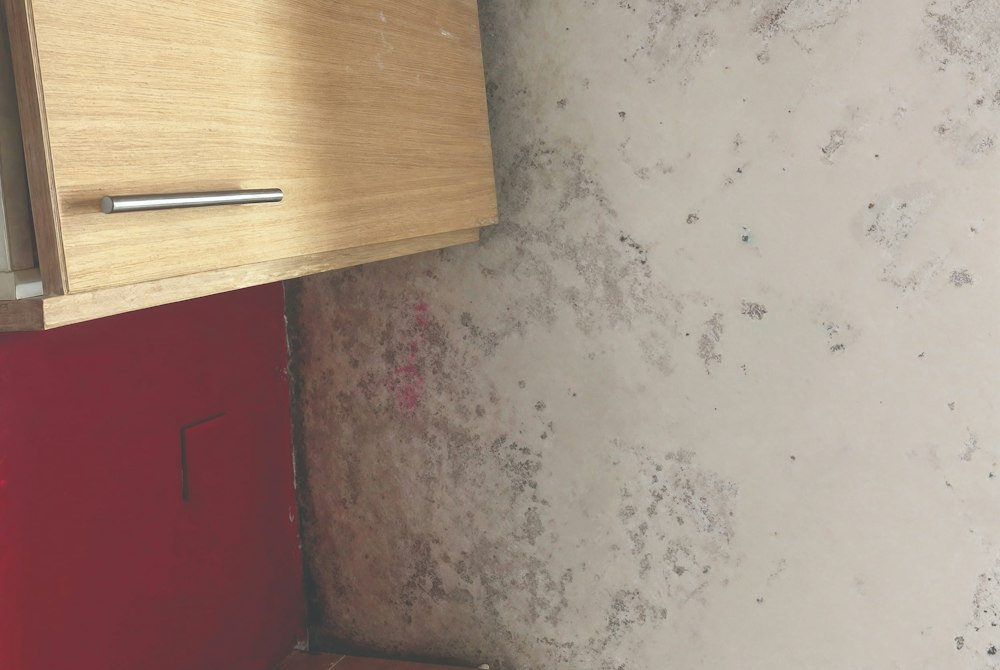
The UK's damp and mould crisis is getting worse. Air quality expert Roger Martin explains how sealing homes without ventilation is trapping toxic air inside.
The UK’s damp and mould crisis is worsening, not improving.
While tragedies and scandals like Stephanie’s in Hackney have prompted reactive political scrutiny, the root problem is quietly expanding. Millions of tenants live in damp conditions, and current government guidelines are actively engineering the next public health failure.
Consider this double standard: roughly 1–2% of the UK population suffers from a severe nut allergy. In response, strict statutory regulations enforce bold “May Contain Nuts” warnings across menus and supermarkets.
A comparable proportion of the population is vulnerable to severe aspergillus mould spore sensitisation – with potentially fatal respiratory consequences – yet property markets require zero biological disclosure.
We would never allow a restaurant to hide lethal allergens behind a coat of paint, yet we allow landlords and sellers to do it with airborne pathogens every day.
This crisis is confirmed by data. Across more than 3,000 UK indoor environmental surveys, the pattern reflects evidence I have presented to Public Health England: that government drives toward building airtightness in a bid to cut carbon emissions have systematically sacrificed essential passive ventilation sources.
Draught-proofing and insulating older housing stock without continuous mechanical airflow turns homes into unvented incubators.
Moisture from ordinary living – cooking, washing, breathing – has nowhere to go, condensing on to cold structural spots where aspergillus and toxic moulds colonise within days.
Why does it persist? Landlords still deploy £50 fungicidal washes to mask symptoms for inspection, while defaulting to blaming “tenant lifestyle” instead of building failure. Meanwhile, maintenance teams lack basic building-physics training to diagnose root causes.
Sealing up homes while ignoring air dynamics hasn’t solved our problems – it has merely boosted the sales of steroid inhalers. Until housing policy mandates engineered ventilation alongside insulation, we are simply spending billions to trap toxic air inside people’s lungs.

Other relevant stories


End £30bn bank benefits, tax wealth like work, break the gas price link, launch a rooftop solar revolution and build 1.4m homes. Peoplenomics in five steps.

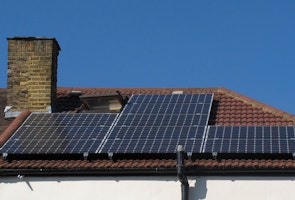
Putting solar on 1.8m UK social homes would save households £618 a year, add £5.1bn to the economy and support 7,600 jobs a year, new CEBR modelling shows.

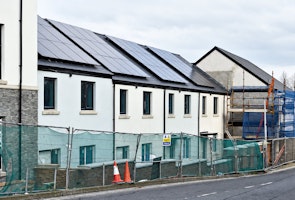
Just 7.7% of council homes in England, Scotland and Wales have solar panels, our investigation finds. At this rate, catching up will take nearly 80 years.

Housing associations sold 5,250 homes in 2024-25 as 1.3m households sat on waiting lists. Councils want first refusal to buy them back before they're lost.