


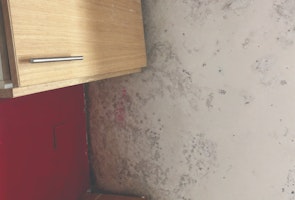
The UK's damp and mould crisis is getting worse. Air quality expert Roger Martin explains how sealing homes without ventilation is trapping toxic air inside.
'Vulnerable at risk' as mouldy homes sold to rich investors
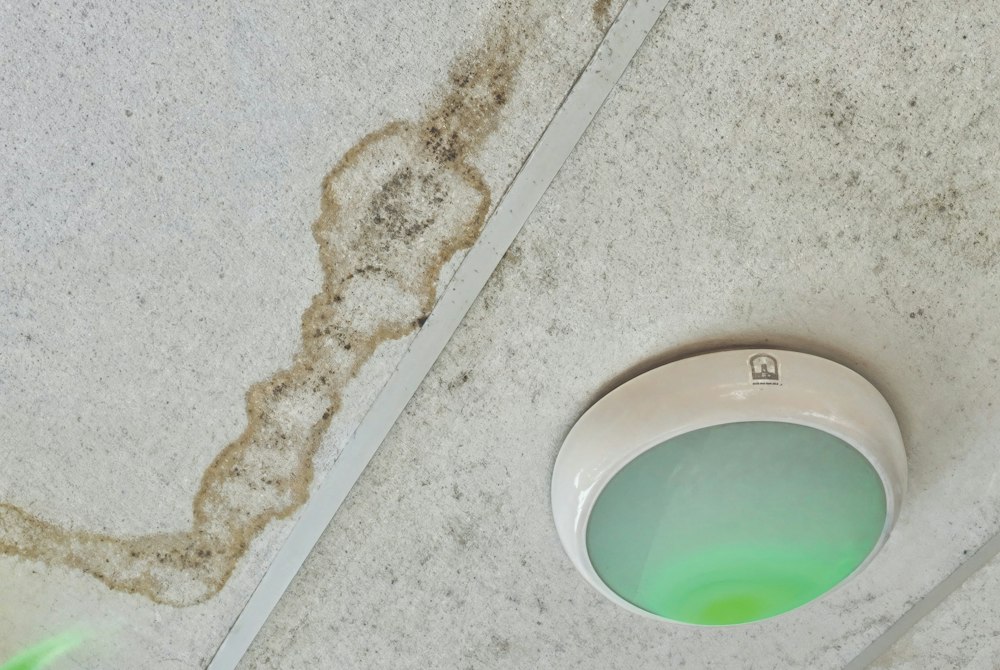
Flats for vulnerable tenants, riddled with black mould and rats, are being sold to investors as government-funded income. A top MP calls it outrageous.
Businessmen are reaping rich rewards from selling rat-infested properties riddled with black mould to investors based hundreds of miles away.
The flats sold at a lucrative profit are marketed as a government-funded source of income for investors in which vulnerable tenants are cared for.
But housing charities and experts claim homes in London and across the UK have been transformed into a profit-generating machine at the expense of some tenants' safety, care and dignity.
Labour MP Abena Oppong-Asare, who chairs the Housing Select Committee, said it was "outrageous" that supported housing properties were being marketed as investments "particularly where there's public funds involved".
She was responding to the exposé by the BBC of more than 40 companies involved in marketing properties to individuals in the UK and also abroad.
The web of companies providing housing for those in real and genuine need causes serious problems for tenants trying to resolve issues within properties.
One tenant called Mo, who has mental health issues, was housed in a studio flat in Cricklewood, north London, after he became homeless. The converted house containing his flat was bought by a company run by French nationals living in the Czech Republic, for over £1.8million last year.
He says his housing provider, Windrush Alliance, receives nearly £2,000 a month via Barnet Council for the flat. Mo receives £340 in universal credit for living expenses every month from which he is expected to pay Windrush a monthly £120 service charge.
Last year the ceiling of Mo's flat collapsed after a leak which was not repaired for over a year. He was temporarily housed in another flat in the same property. Windrush said it was aware of the problems and was "working with the owner to put them right".
Windrush has faced criticism in the past over its "failure to meet the standards" of the regulator, including to ensure "tenants are safe in their homes".
Another tenant called Phil lives in a flat in Runcorn, Cheshire, which was sold to a Czech investor last year for £163,150, more than double the £75,000 cost of similar apartments in Castleview House.
"This building is hell on earth," said Phil, whose flat was marketed for people with mental health issues who receive the "aftercare programme pursuant to Section 117 of the Mental Health Act", meaning they have been sectioned and discharged from hospital with a care plan. Phil says he has not been sectioned, but he does suffer from severe depression and anxiety.
Phil said: "Whoever marketed this property, the way they've worked is total dishonesty. If they're looking to make as much profit as they can, then they clearly have no plans to fix the issues in the building."
The owner of the property company behind the sale said his flats provide "good quality accommodation".

Other relevant stories

End £30bn bank benefits, tax wealth like work, break the gas price link, launch a rooftop solar revolution and build 1.4m homes. Peoplenomics in five steps.

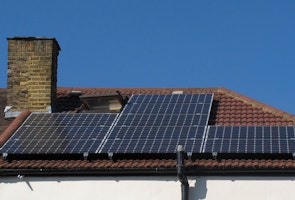
Putting solar on 1.8m UK social homes would save households £618 a year, add £5.1bn to the economy and support 7,600 jobs a year, new CEBR modelling shows.

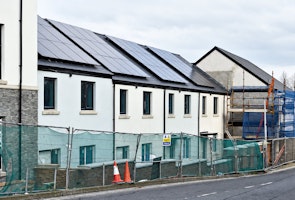
Just 7.7% of council homes in England, Scotland and Wales have solar panels, our investigation finds. At this rate, catching up will take nearly 80 years.

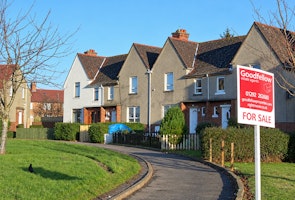
Housing associations sold 5,250 homes in 2024-25 as 1.3m households sat on waiting lists. Councils want first refusal to buy them back before they're lost.